

What does DVP mean? PUP at the Bronson Centre
Words & photos by Edie Olender
The Don Valley Parkway is a fifteen-kilometre stretch of road connecting the Gardiner Expressway in downtown Toronto to Highway 401. For those who grew up in Southern Ontario, the DVP might promise an afternoon of touching plasma balls and running through a controlled vortex chamber. It was a classic afternoon field trip between fourth and eleventh grade; the yellow school bus would take the Don Valley Parkway up to Don Mills Road, dropping us off at what is now the permanently closed Ontario Science Centre.
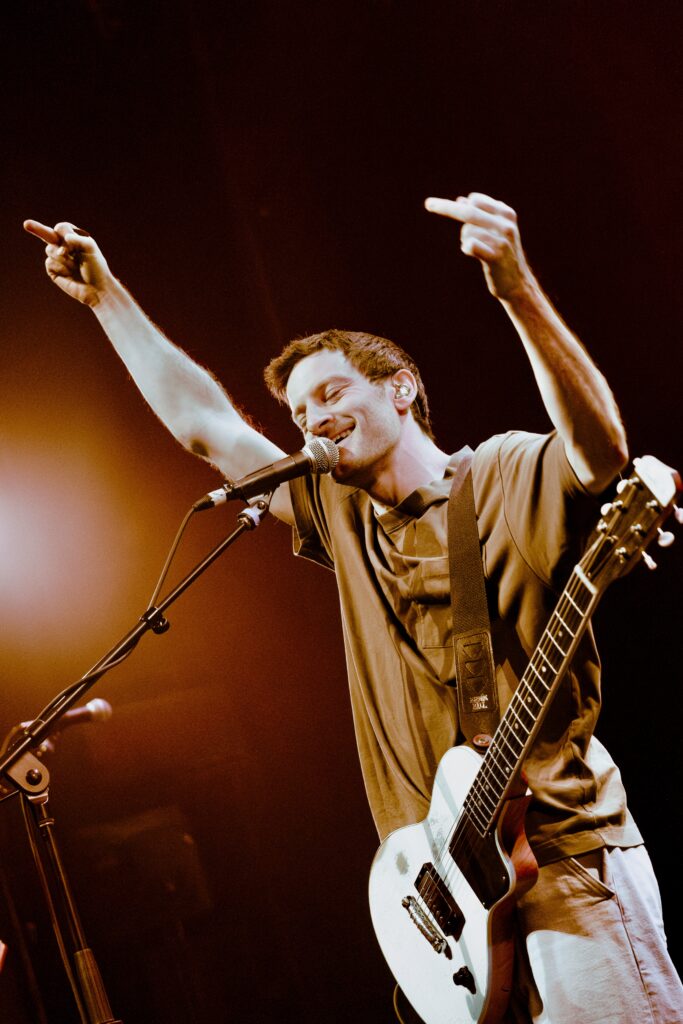
The DVP that PUP’s lead vocalist, Stefan Babcock, sings about is that very same stretch of road, but seen through stretched eyes. Stretched as in stretched thin, worn thin, worn down.
“I’m fucked up and she hates my guts / She says I need to grow up / I’m drivin’ fast to get away / Doin’ one-eighty on the Don Valley Parkway.”
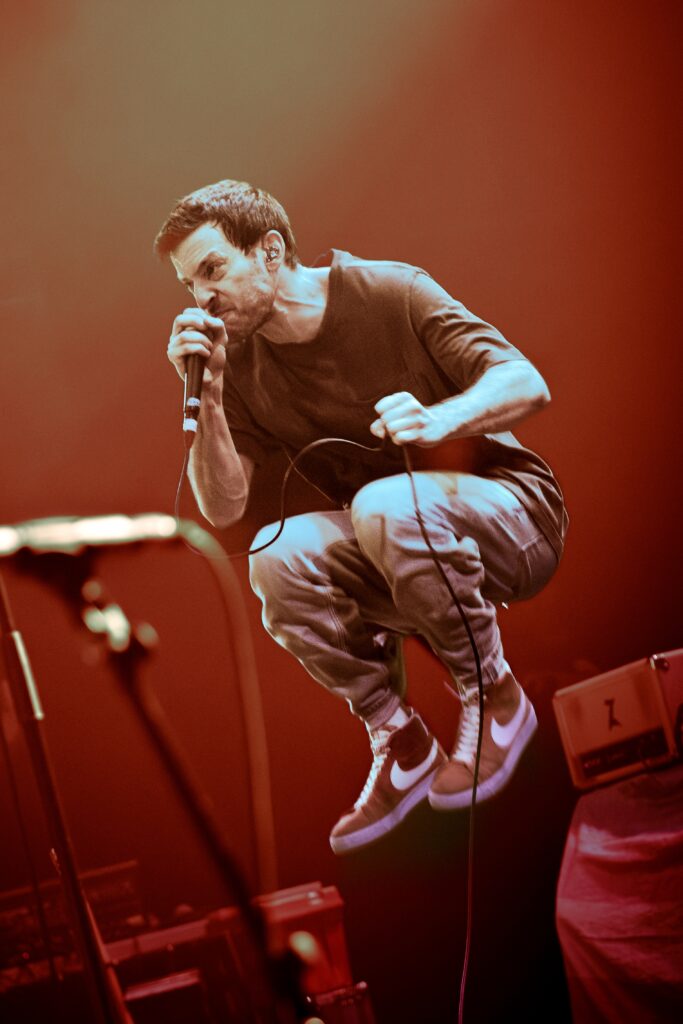
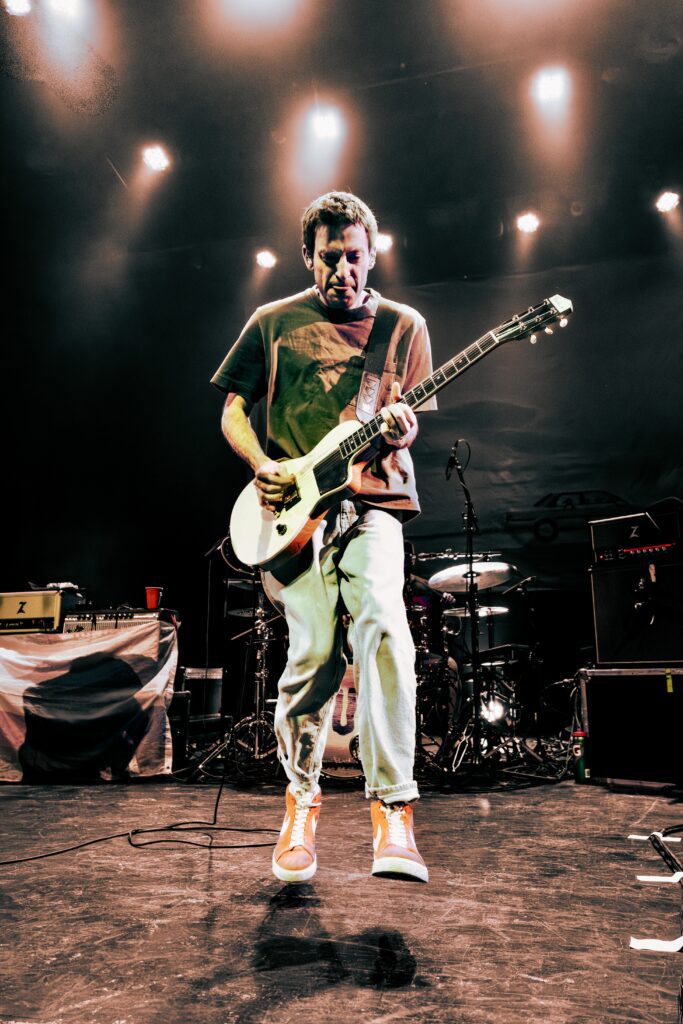
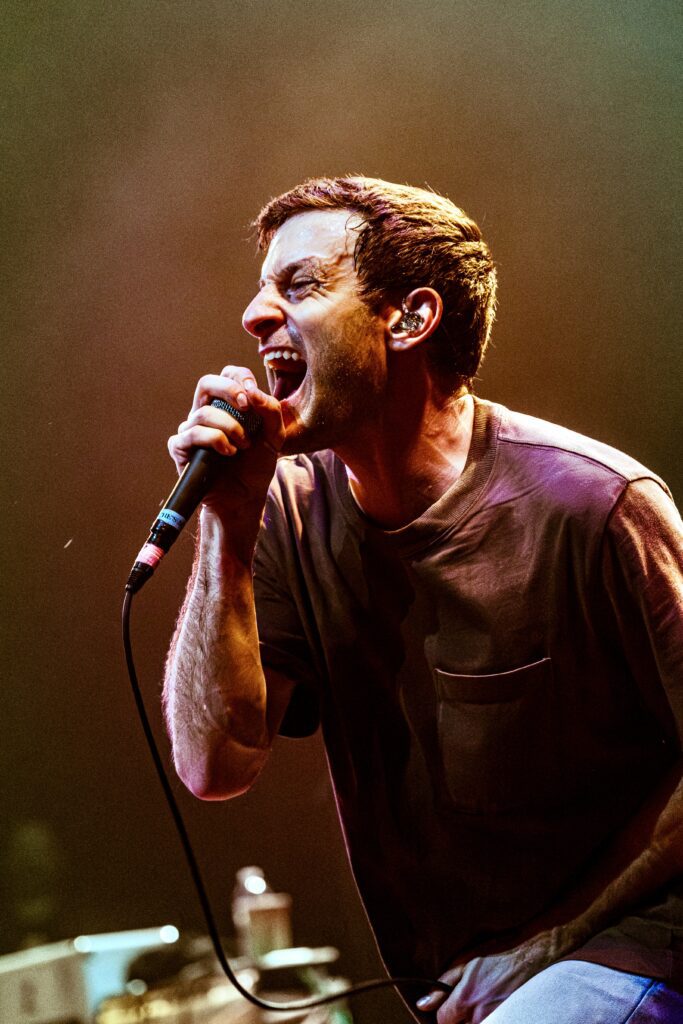

Grow up? Is this not already grown up – grown out of the childlike wonder of the plasma balls and vortexes at the end of the parkway? The yellow brick road and yellow school bus exchanged for a getaway car on a PCH stand-in as adrenaline surges as you into the open road?
Perhaps grown up in the sense of sitting in a university seminar room discussing DVP. This seminar in question was delivered by Barbara Morquette, a neuroscientist from the Harvard Medical School. Her research focuses on the molecular basis for neurological degenerative diseases, and one of the techniques she uses is deep visual proteomics, otherwise referred to by that same three letter abbreviation. It was just a few days before attending her lecture that I had seen PUP’s show at the Bronson Centre, during which they closed their set with the song “DVP.” My tendency to experience ideas of reference led me to believe that it was no coincidence to come across this abbreviation twice in the span of a few days. I returned home from the lecture and spent the next hour pouring over scientific papers on deep visual proteomics, attempting to understand what special message the world was trying to tell me. While there is a delicate border between ideas of reference and delusions of reference, human perception is prone to heuristics and biases, especially since these cognitive processes can generate comfort during what Babcock describes as “this mind-numbing reality of a godless existence.” As perception is filtered into cognition, we are always trying to make sense of meaningless stimuli, of light and sound that we group into orderly cognitive schemas.
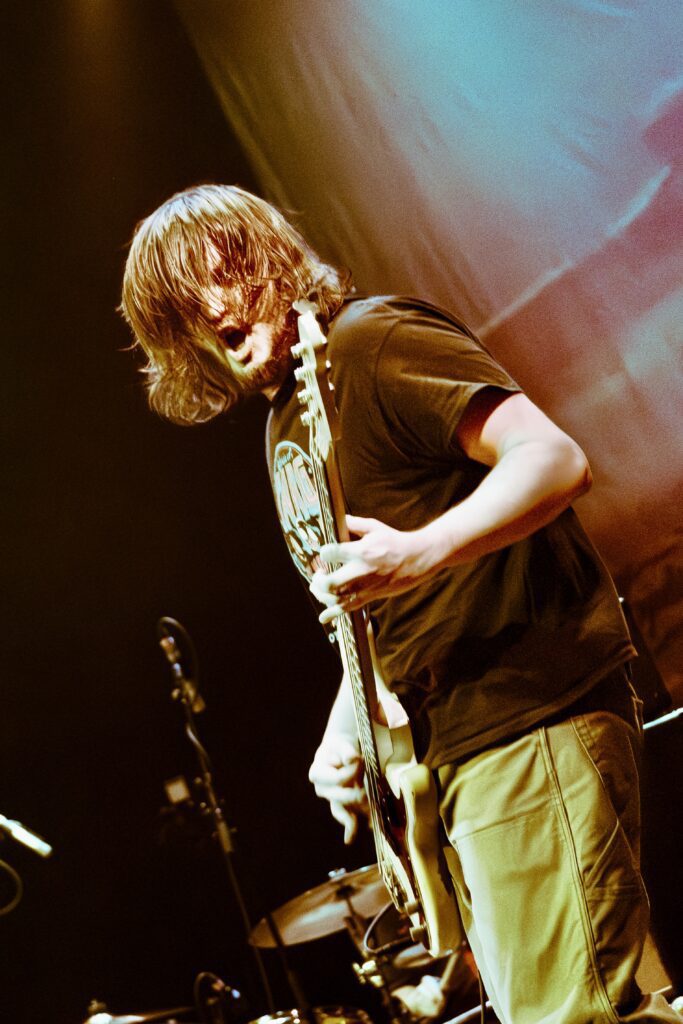
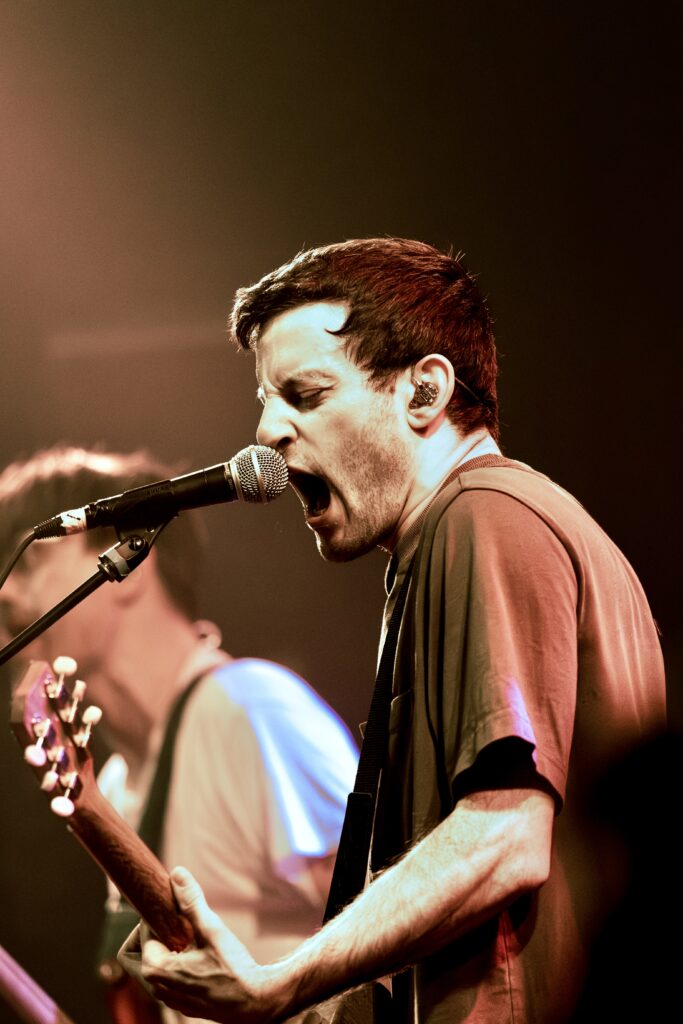
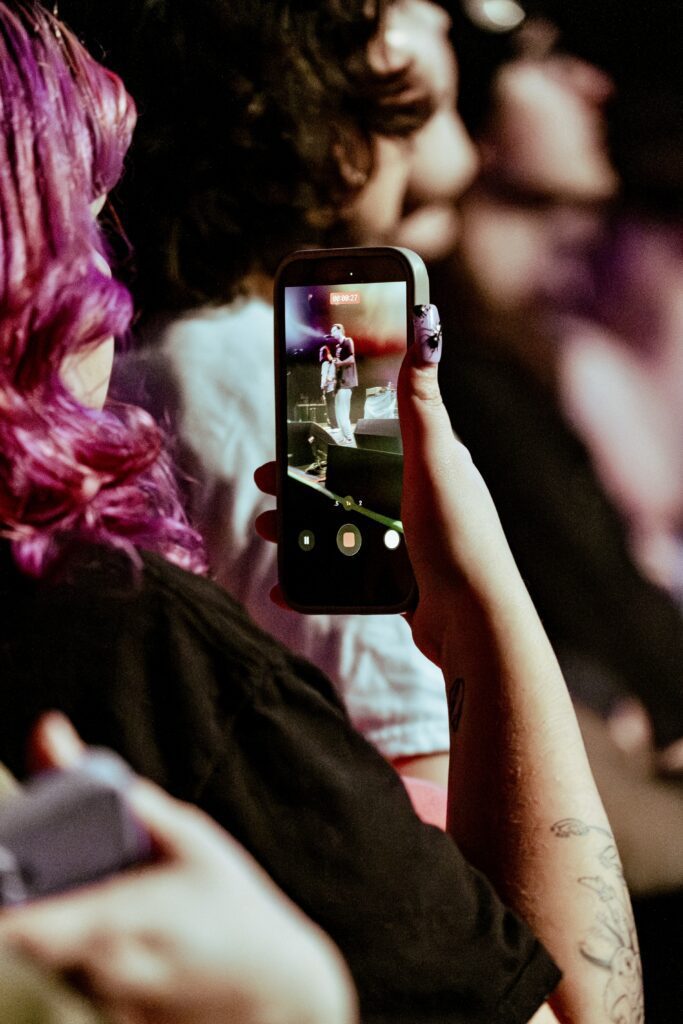

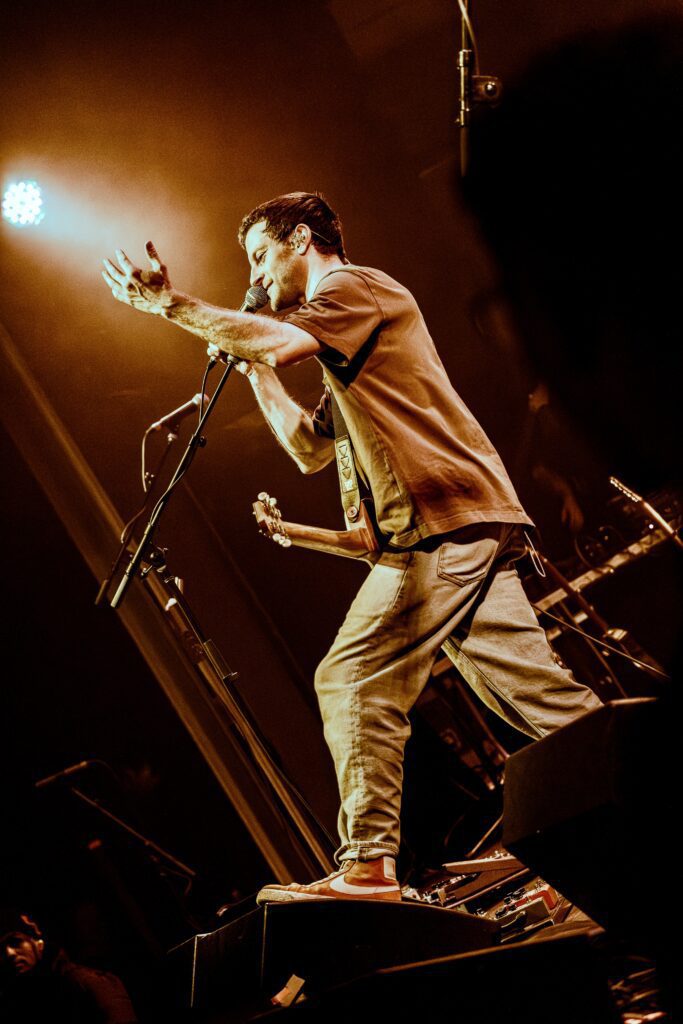
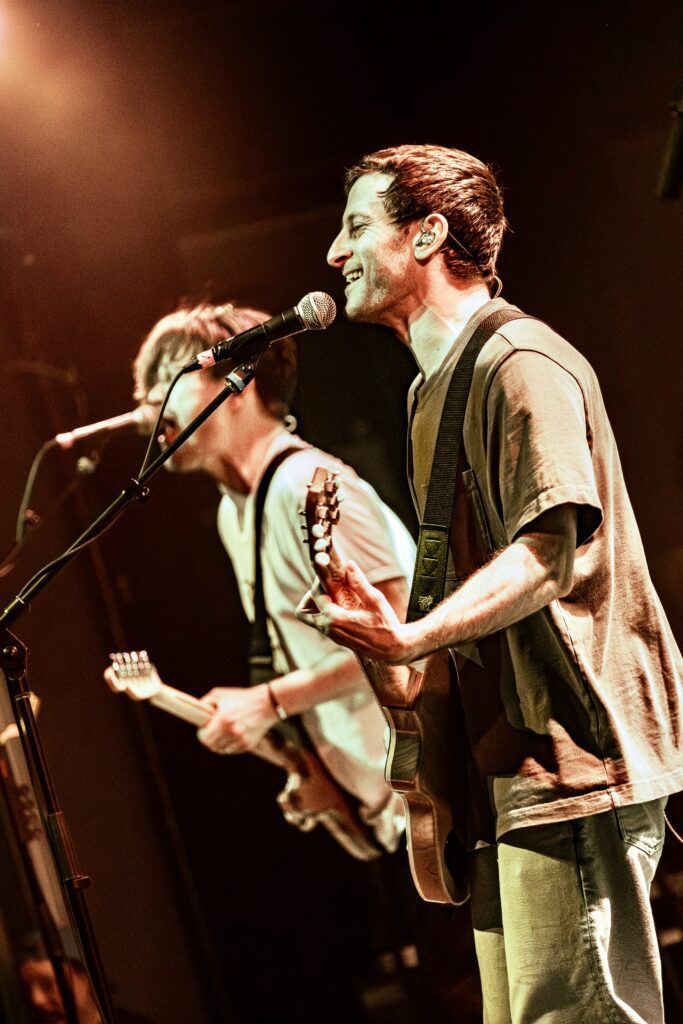
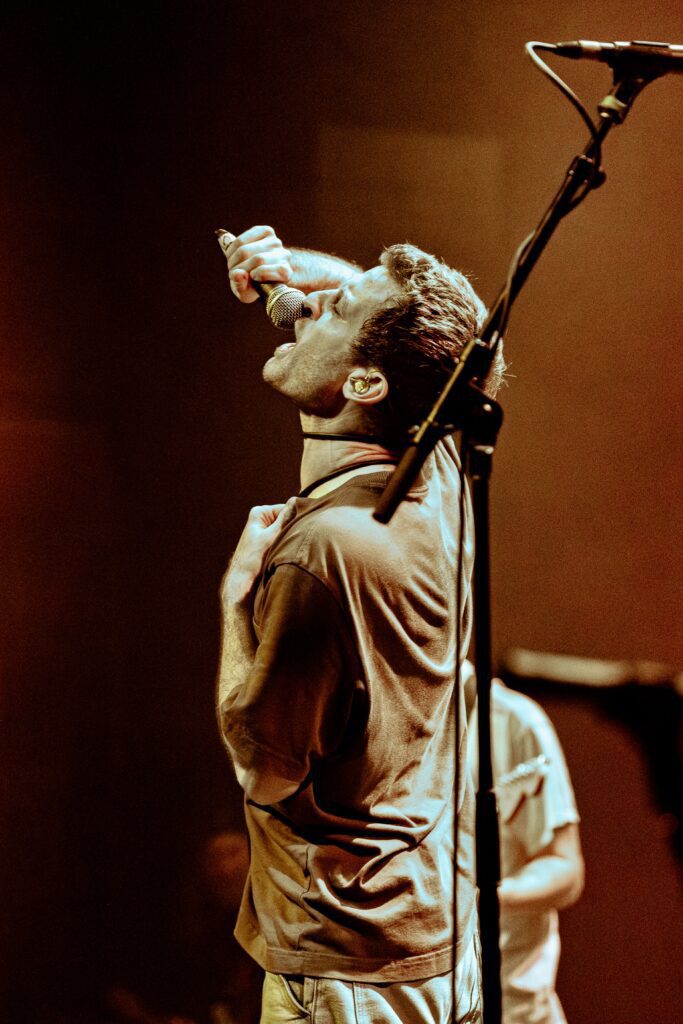
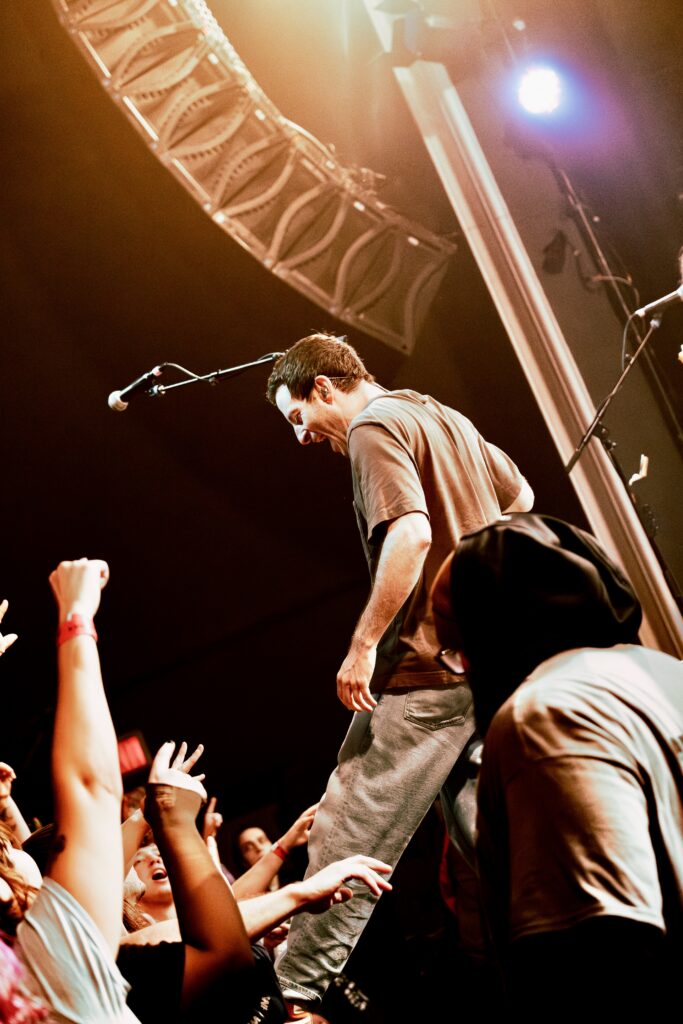
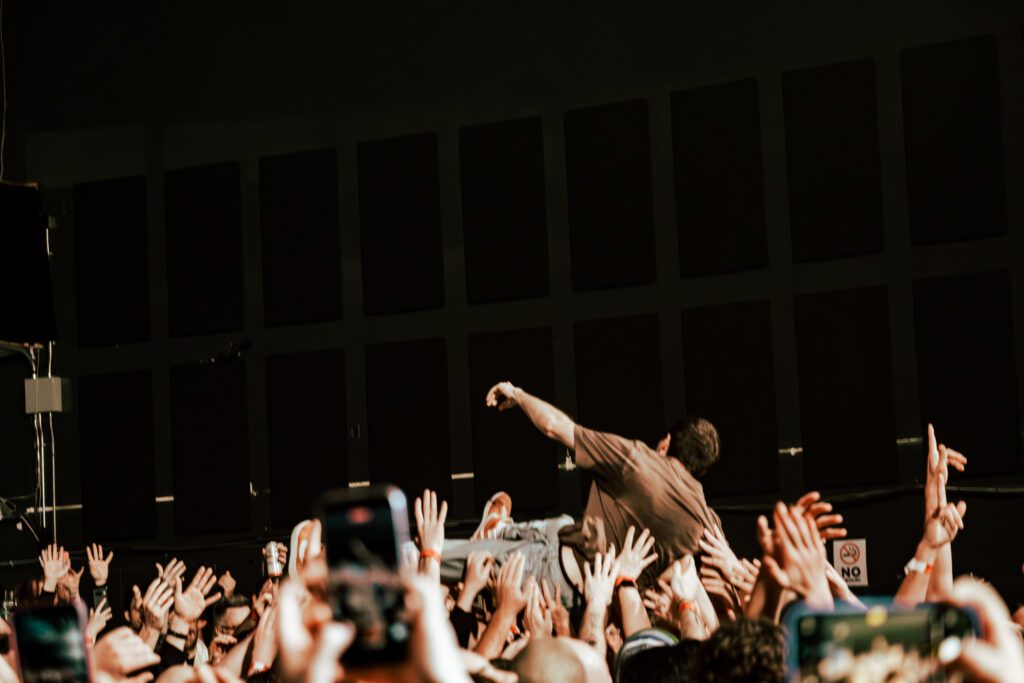
What did DVP mean to me in the end? Deep visual proteomics is a relatively new technique which combines high-resolution tissue imaging with single-cell analyses, offering the advantage of maintaining an awareness of spatial contexts within the consideration of unique cell profiles. I suppose I drew the metaphor of the heterogeneity of the audience, and how lucky we are to consciously experience this moment in our individual ways. These past few months, I have often wondered about what deeper meanings lie behind life experiences but am always reminded that it ought to be enough that we even have the experience to begin with. Of all the other plants and animals on this Earth, how beautiful is it that humans have the capacity for conscious love and connection?
Although we have this capacity, this does not mean that it is always realised. At the time of writing this, the Bondi Beach shooting had just occurred last Sunday. How many times have I gathered in large public venues, with the privilege of not worrying about my security? I am currently reading Olivia Laing’s Funny Weather: Art in Emergency which has resurfaced for me the importance of discussing how art is simultaneously a reflection and sculptor of our political landscape. At first glance, PUP lyrics give the impression of alcoholic middle-aged men grumbling about the same problems that they never grew out of in college, yet this stagnant lyricism captures the broader issue of a tumultuous social climate that has generated a “kidult” market. Consider the boom in toy sales – a 2024 BBC article reported that one in five toy purchases made by adults are acquired for themselves. The feeling of control can be bought in the form of little plastic figurines.
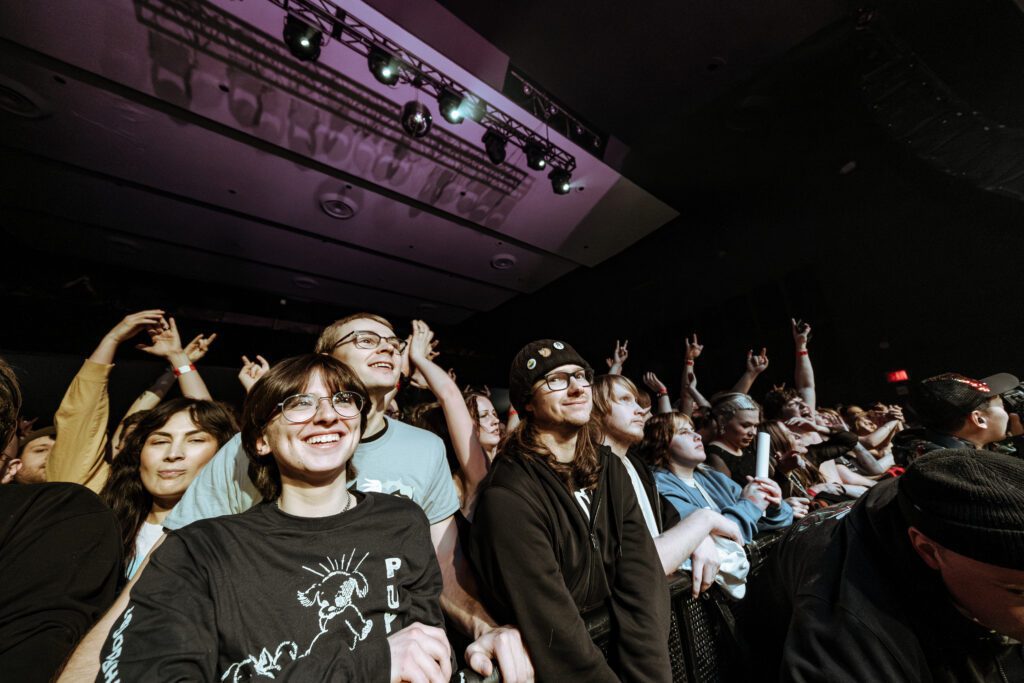

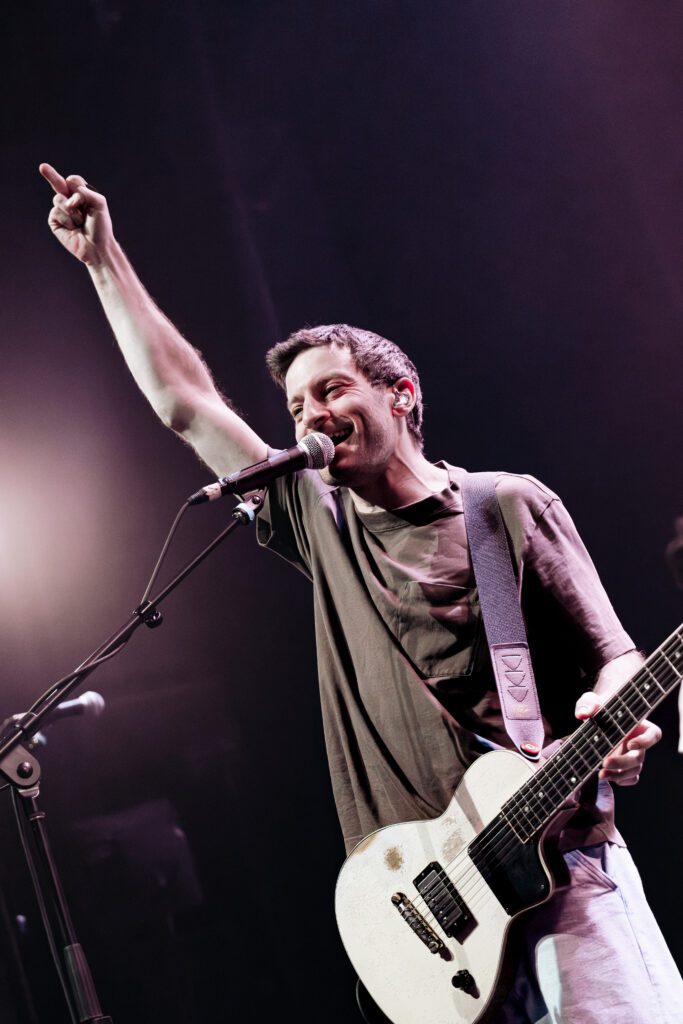
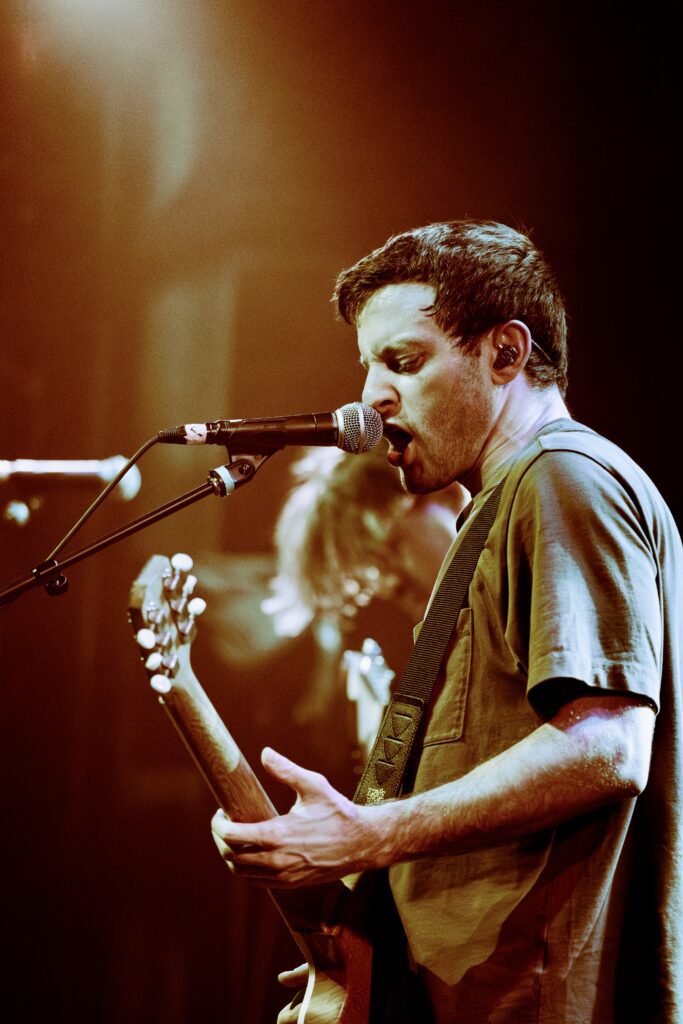
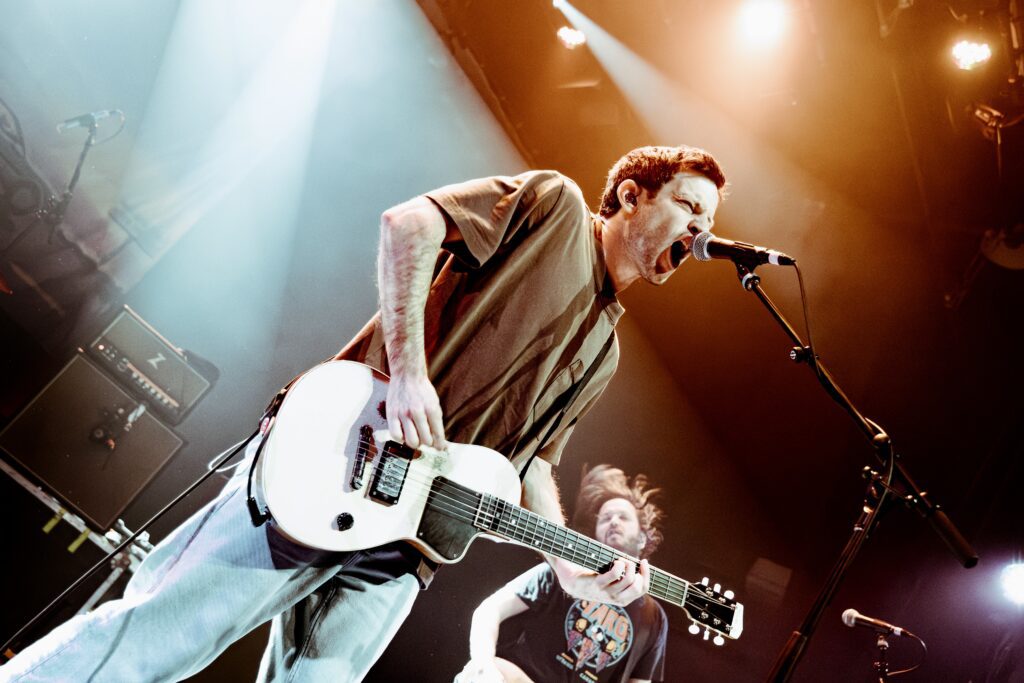
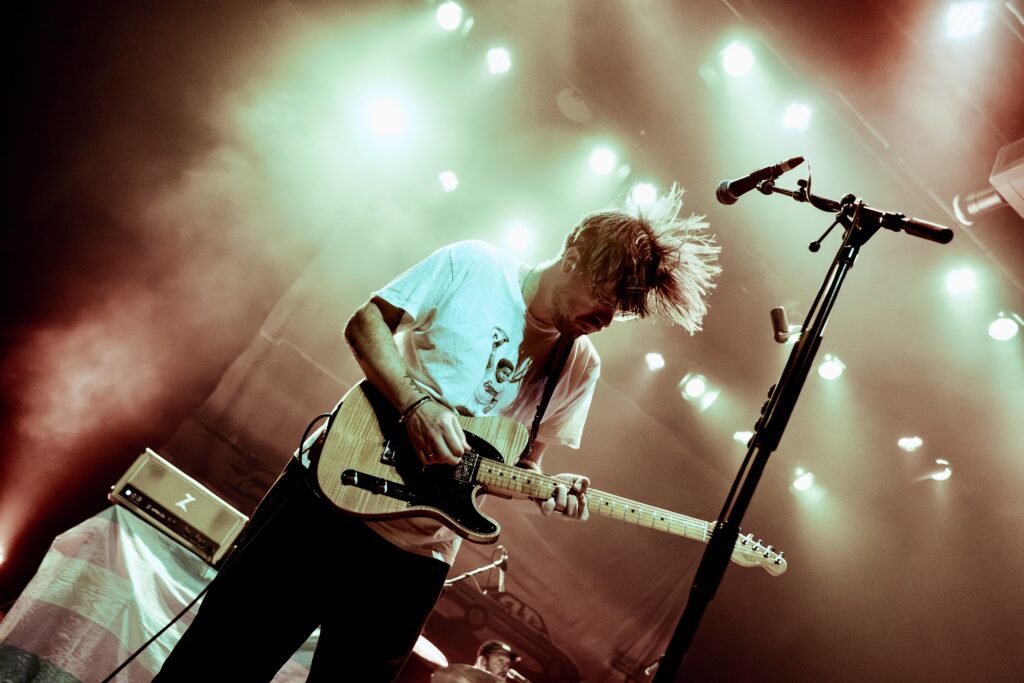
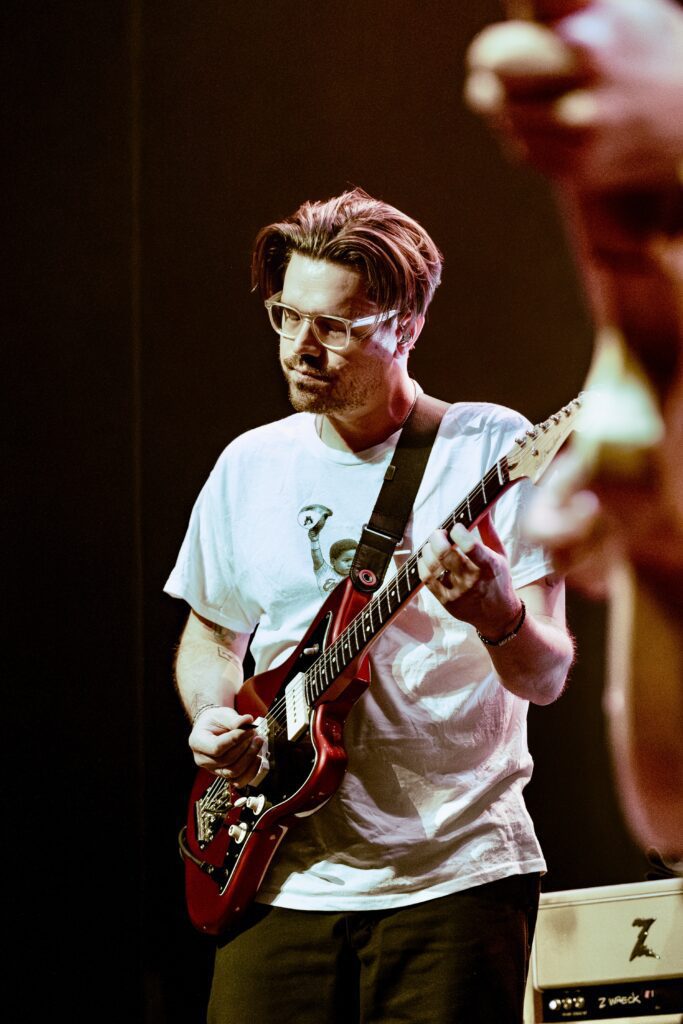
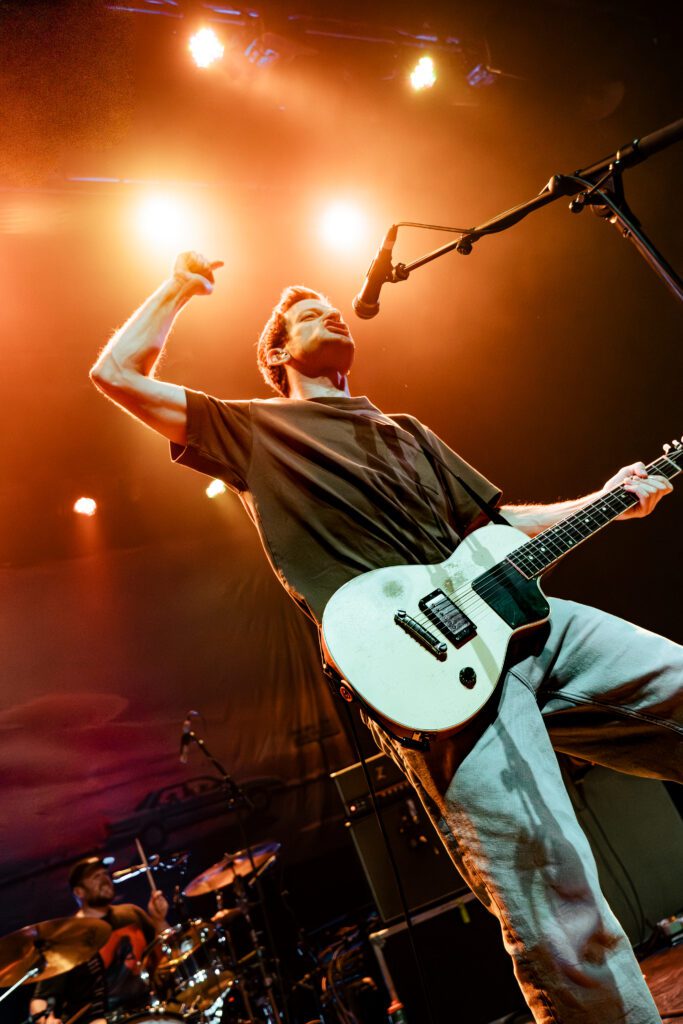
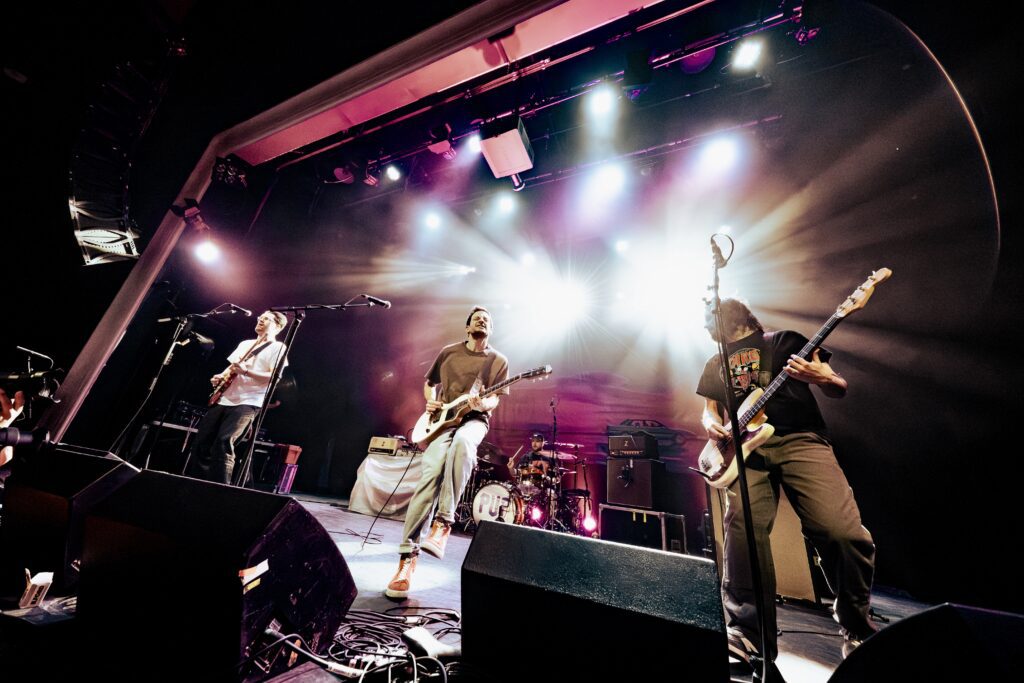
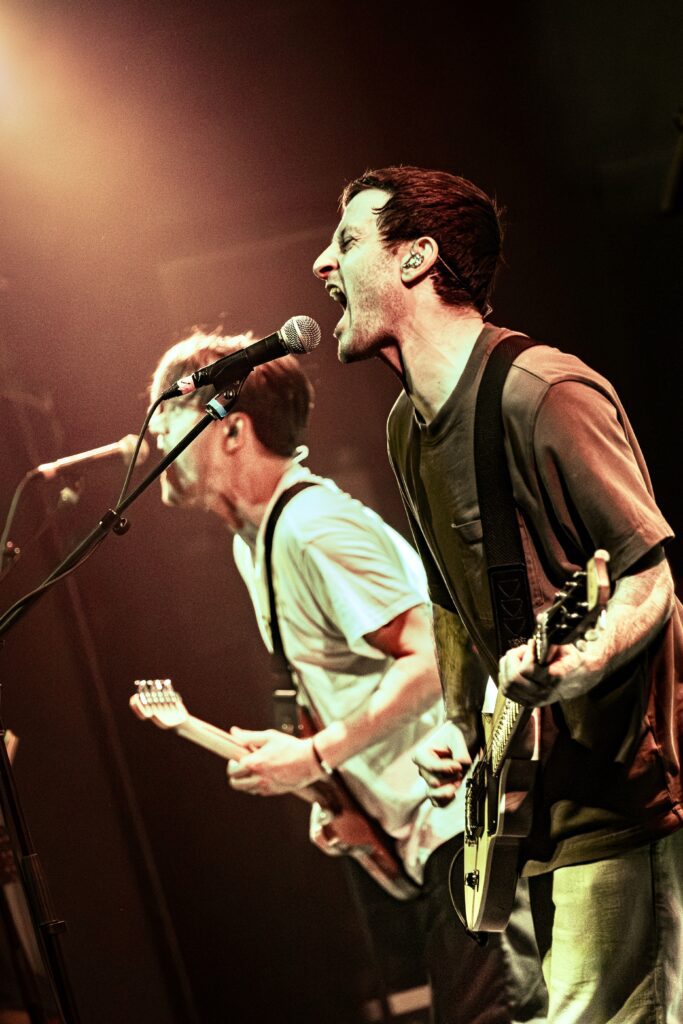
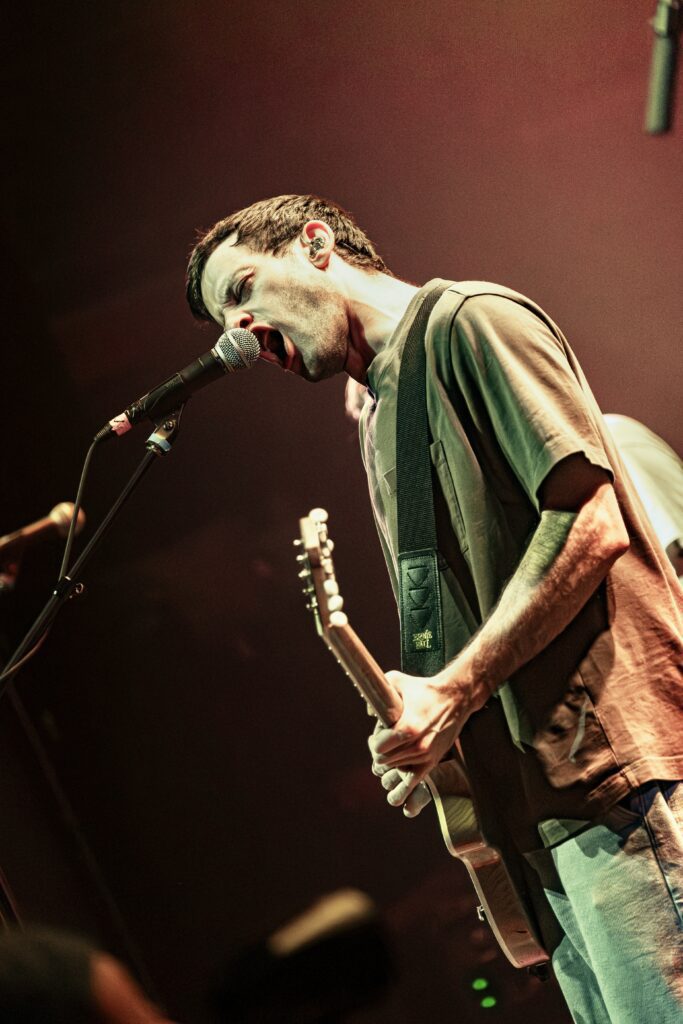
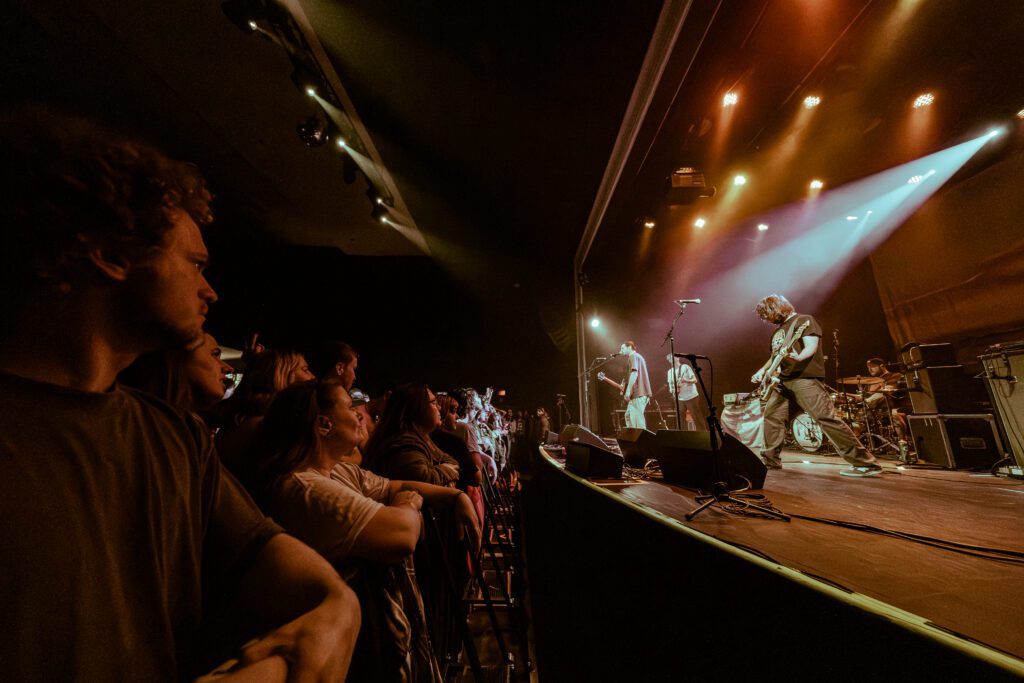
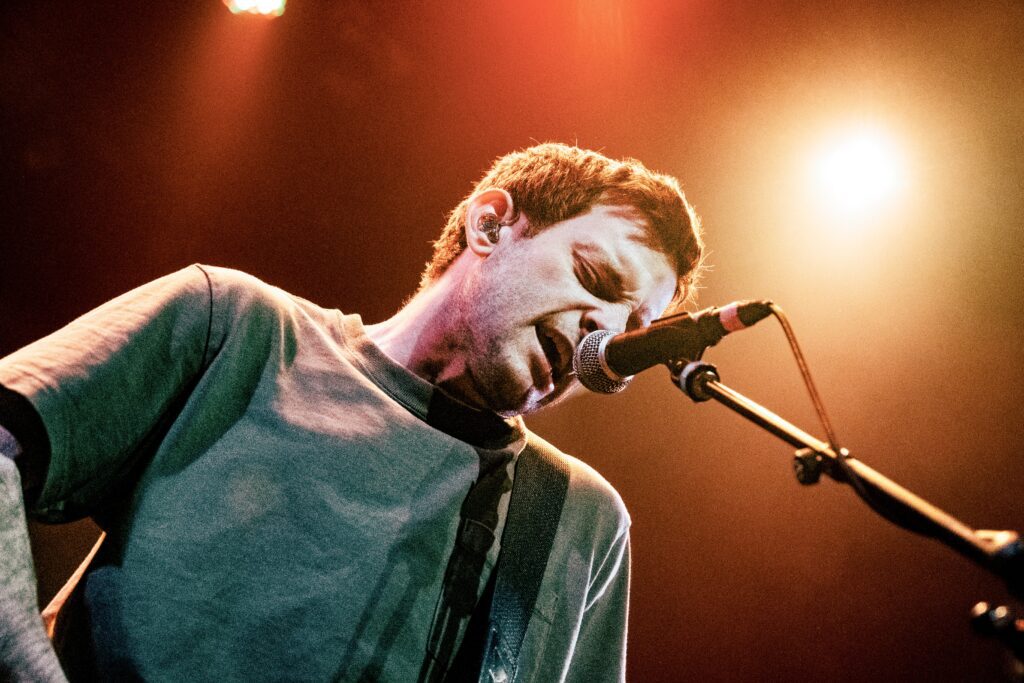
PUP plays into this retrospective obsession by offering a space to experience unresolved psychosocial developmental stages pertaining to guilt, shame, doubt, and identity. Although touching on themes of global despair and existential anxiety, the self-pitying tone displaces trepidation from an unfathomable cosmic to an immediate personal context, offering relief from the all-encompassing nature of such feelings. The consequential connection people feel to PUP’s music was most recently evidenced by the two back-to-back nights of sold-out Ottawa shows during their most recent tour. While attending the first night, I overheard many fans excitedly exclaim that they would be coming back tomorrow to see PUP all over again. Although fans foremost adore this band for their brutal honesty and relatable expression of psychological distress, it is also important to note the progressive environment that is cultured at a PUP show. After playing the introductory songs, Babcock expressed the band’s belief in equality and told the crowd that anyone who does not agree can leave. He then heavily emphasized the importance of looking out for one another in the mosh pit, an expression of care that further explains why fans stubbornly adore this band.
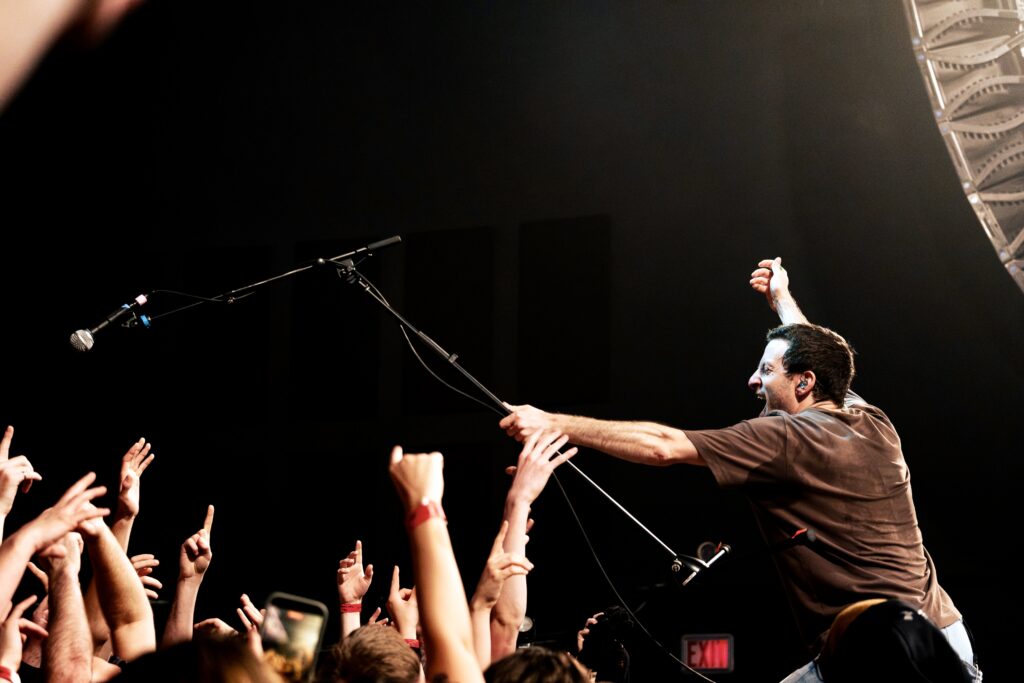
There could be an argument made for the way in which the mosh pit itself is almost transcendental, trajectories constantly changing from collisions fuelled by an intense, pent-up energy. This offers a separation from mind and body since the direction of your movement is no longer in your control. Quite a few individuals did rise above, quite literally by crowd surfing all the way to the barricade where they were brought back down to Earth by displeased security personnel. Even Babcock jumped onto the crowd’s shoulders at one point after announcing that he needed to be brought to the bar for a drink. Perhaps for the same reason that there is a growing “kidult” market, there were also so many individuals jumping into the pit during PUP’s show. People spun and bodies slammed against each other all night because what else is there to do when the world is falling apart? When you are so grown up that the DVP either means a DUI waiting to happen or some lofty technical jargon instead of childlike wonder.



Edie Olender (she/her) is an Ottawa based photographer and content creator. Growing up in a creative household, she was given her first digital camera at the age of six. By age ten, she started experimenting with film photography and has continued to pursue both digital and film throughout her high school and university career. Inspired by the likes of Joan Didion and Eve Babitz, she also contributes to Indie/Alt through her conceptual reviews. Outside of photography, she is pursuing her degree in Biomedical Sciences at the University of Ottawa and is a proud cat mother to her son Stripey.