

The Monstruous Feminine: A Night of Female Rage with Delilah Bon
Words & photos by Edie Olender
My friend Maddie and I are walking home at about quarter to eleven. It’s a brisk September evening so I pull my zip-up hoodie tighter around myself trying to block the wind from seeping through my lace corset. Maddie has thrown on an ankle-length dress and hoodie, hiding her fishnet tights, tutu, and leather bralette. Are we wrapped up because of the weather or to avoid the looks and catcalls that we would otherwise receive? It is hard to tell.
Maddie is beaming because she got to sing into the microphone with Lauren Tate, a riot grrrl punk singer based in the UK who sings under the pseudonym Delilah Bon. Tate is known for her outspoken and unfiltered nature, amplifying marginalized communities by bringing issues such as femicide, genocide, toxic masculinity, and LGBTQ+ rights into the spotlight. As we’re walking home from the show, Maddie tells me how much she appreciates the way that Delilah Bon changes the narrative of victimization of the victim, offering instead a space that empowers women and non-binary individuals to feel in control of their own bodies and experiences.
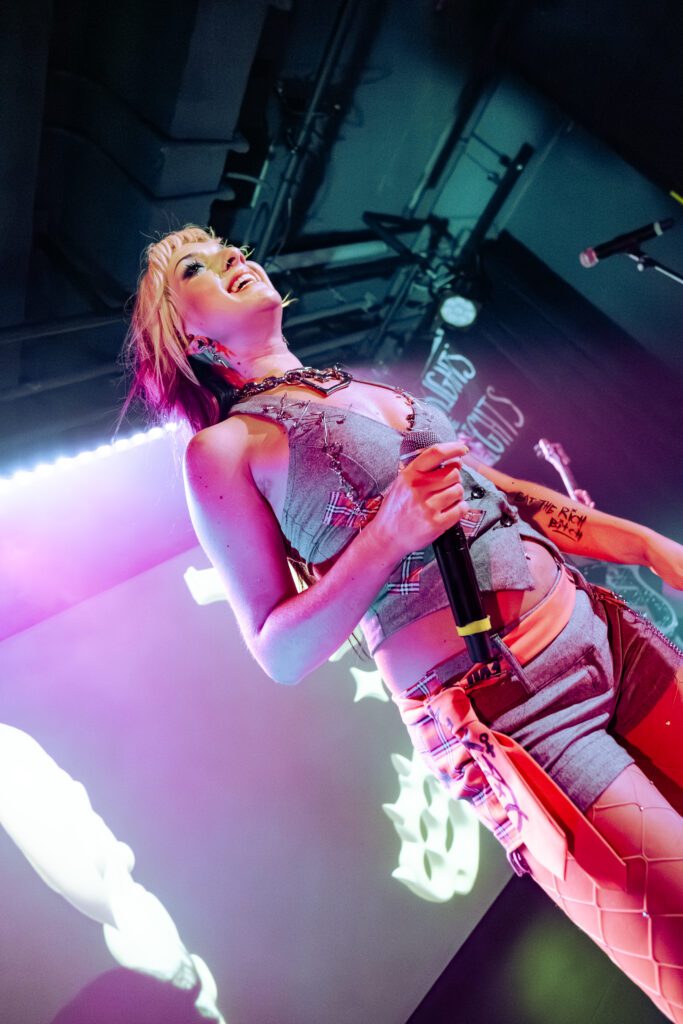
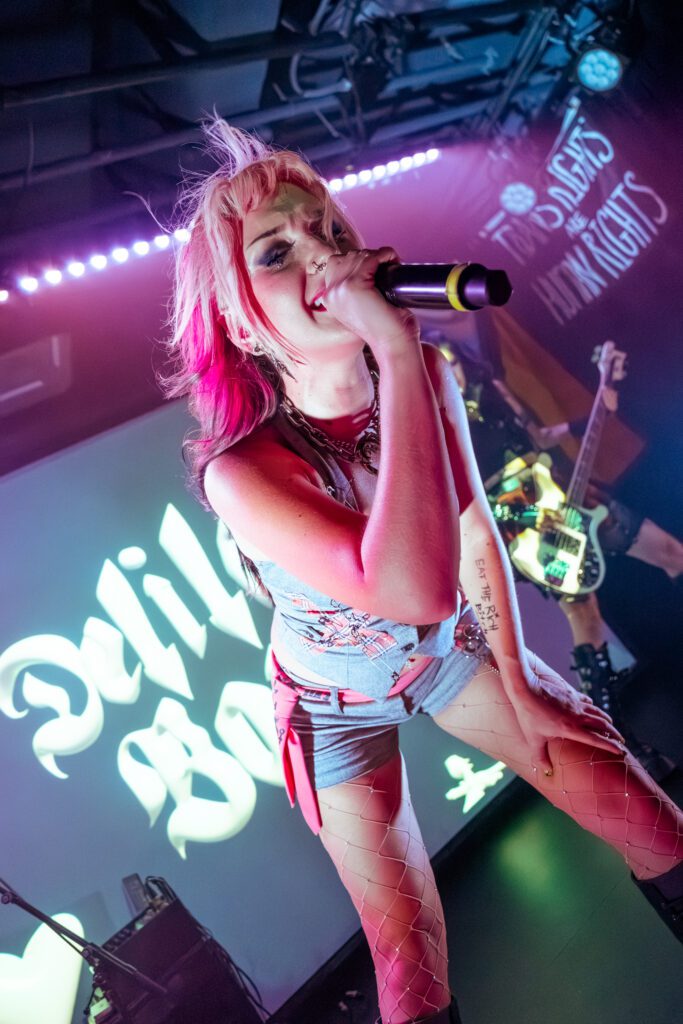
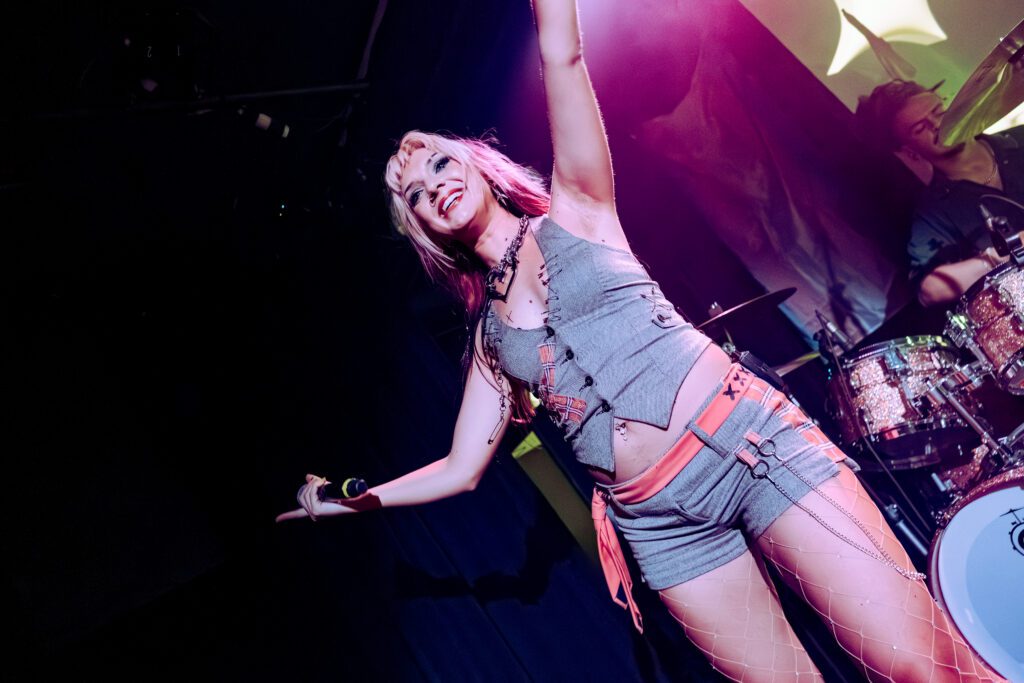
I tell Maddie that I wish I had found Delilah Bon when I was in high school as she would have been exactly the role model that I needed. Delilah Bon is perfectly unpolished and unapologetic, she feels real and tangible and inspires the feeling that what you do matters. I recently read Dead Blondes and Bad Mothers by Jude Doyle, in which Doyle highlights the way pop culture tends to portray women as monstrous, with female rage having no other place than as a vehicle of horror. An example she offers is the murderer Ed Gein, who inspired later films like Psycho (1960) and The Texas Chainsaw Massacre (1974). Gein, notoriously known for making clothing and items out of women’s skin and bones, is often spared of blame while his mother’s domineering nature is noted as the being root cause of his actions. We see this come to life in Psycho, in which Norman Bates’ mother is similarly the root cause of Bates’ actions. In particular, Doyle’s first chapter highlights the unease provoked by the transitory nature of the teenage years, sitting on the cusp between childhood and adulthood. What could be more horrific than a young girl embodying her sexuality, an image that films like The Exorcist (1973) draw upon, inspiring repulsion and discomfort from the contradiction of a girl spewing sexual profanities.
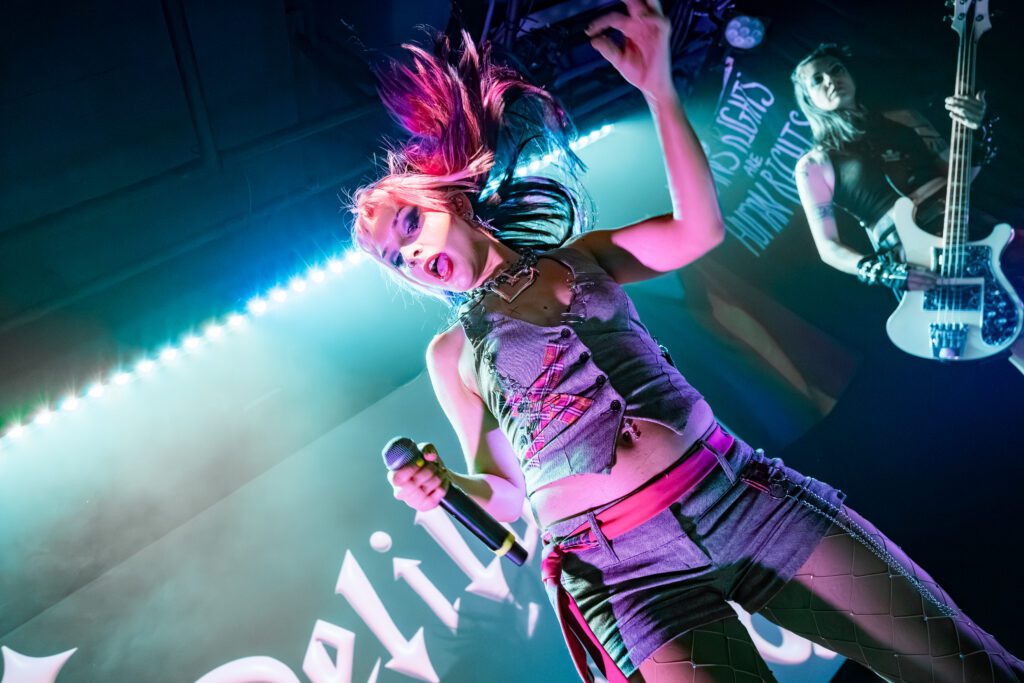
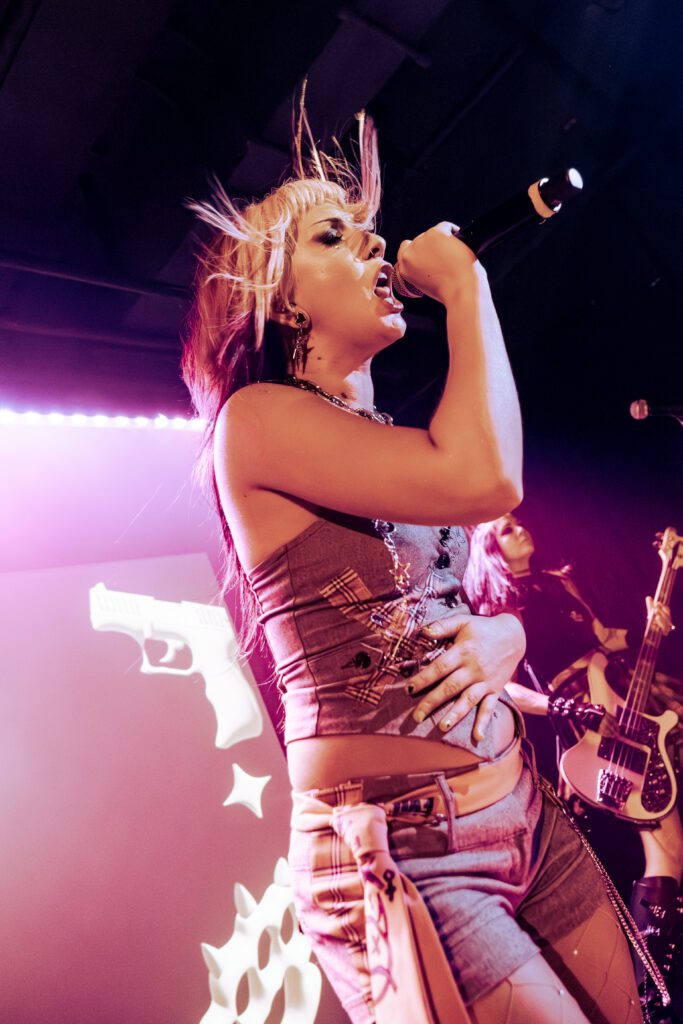
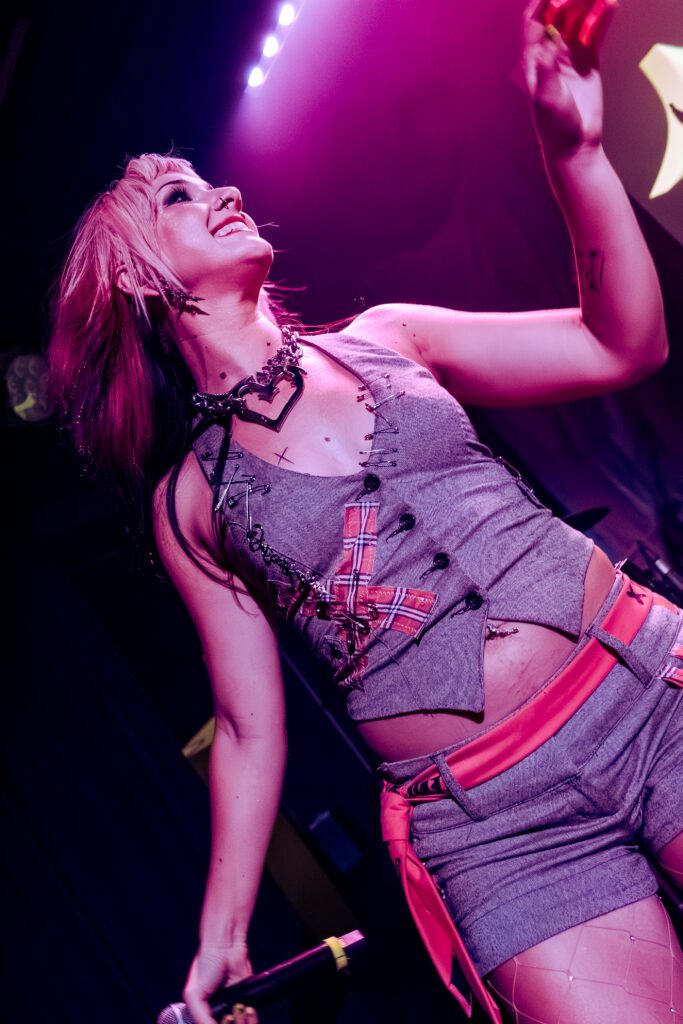
Someone like Delilah Bon, who authentically expresses her sexuality, offers a refreshing take on what it means to be feminine. She bounces out on stage with her bright pink raccoon tail hair, short shorts, and permanent marker reading “Eat the rich” drawn across her arm. She is not the dead blonde that we see in media, she is bright and alive with rage. Her setlist varies from songs like “Not the President” and “ILLEGAL ALIENS,” in which she sings about the hate and violence faced by LGBTQ+, POC, Indigenous, and immigrant individuals in today’s far-right political landscape, to songs like “Maverick” and “Bush,” which are empowering songs about feeling confident in your own body.
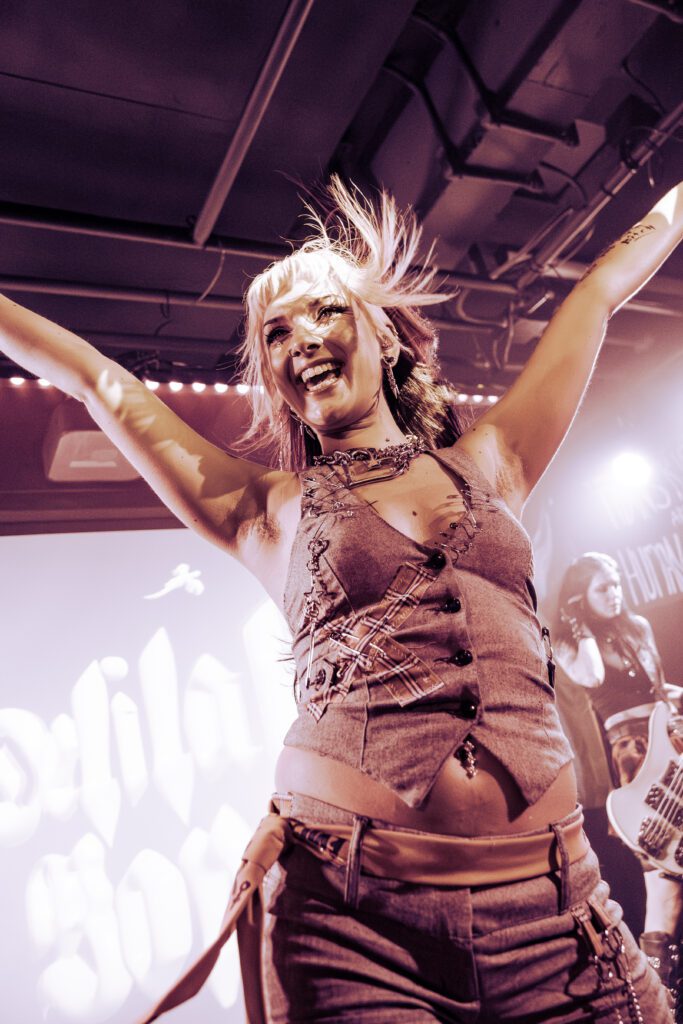
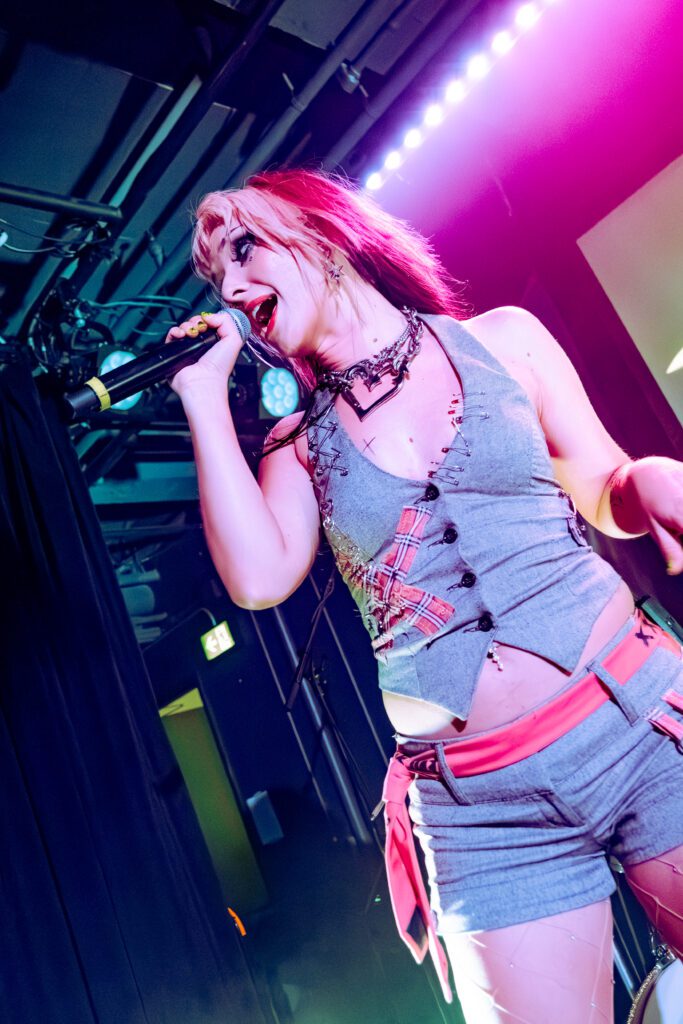
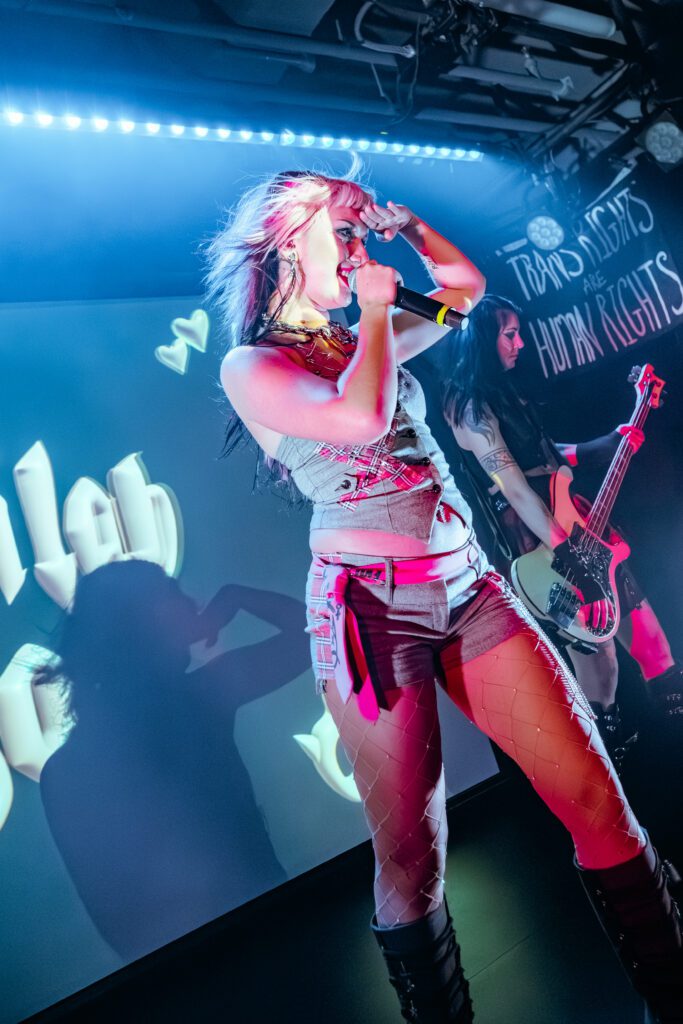
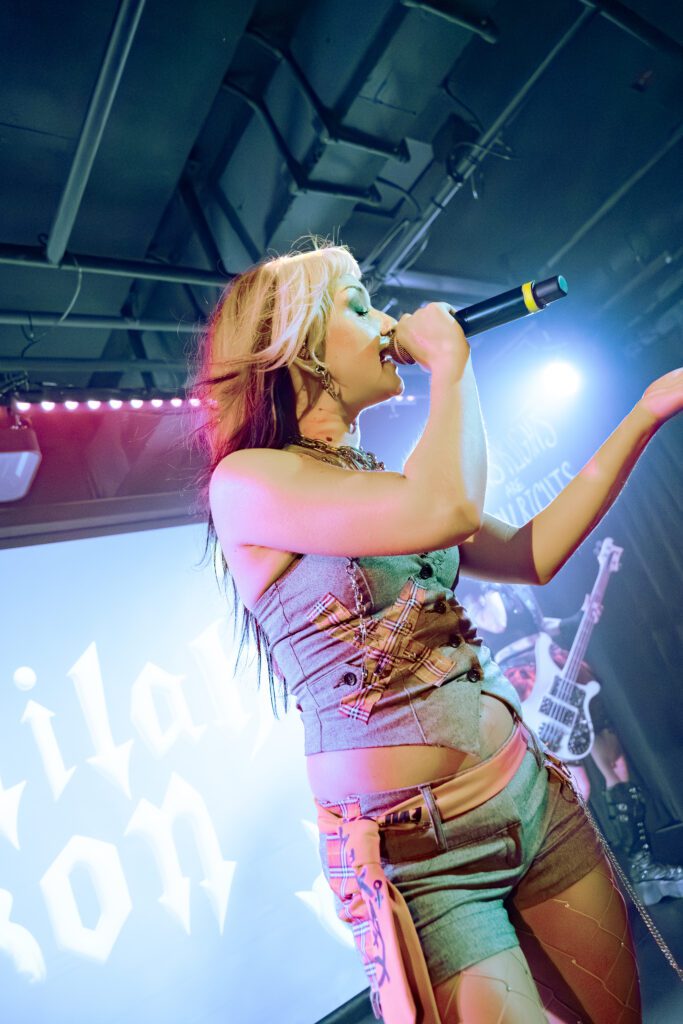
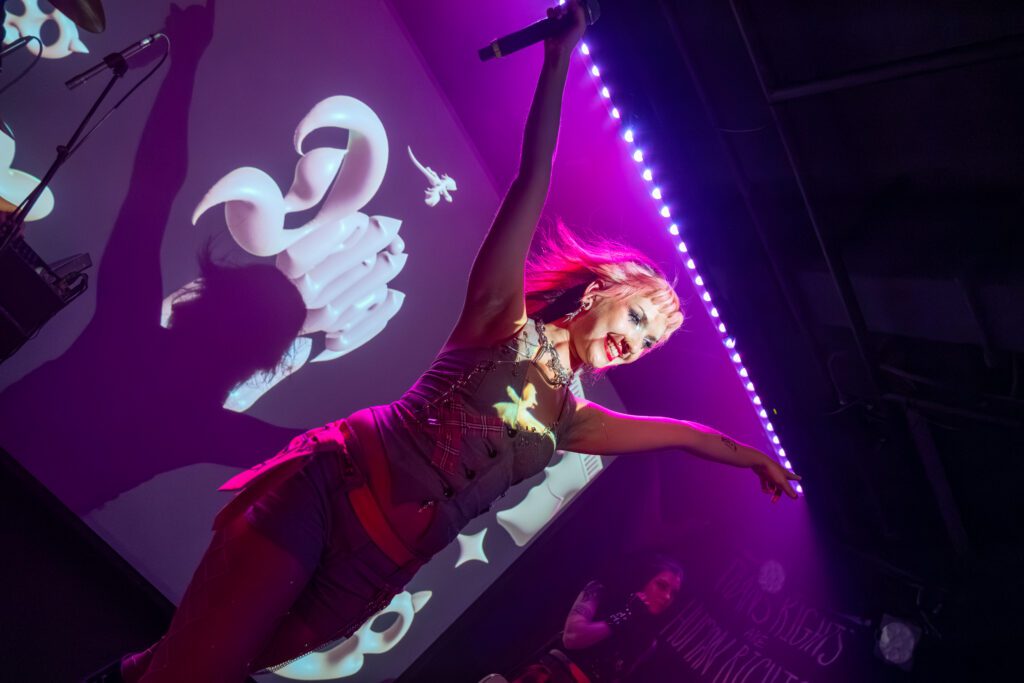
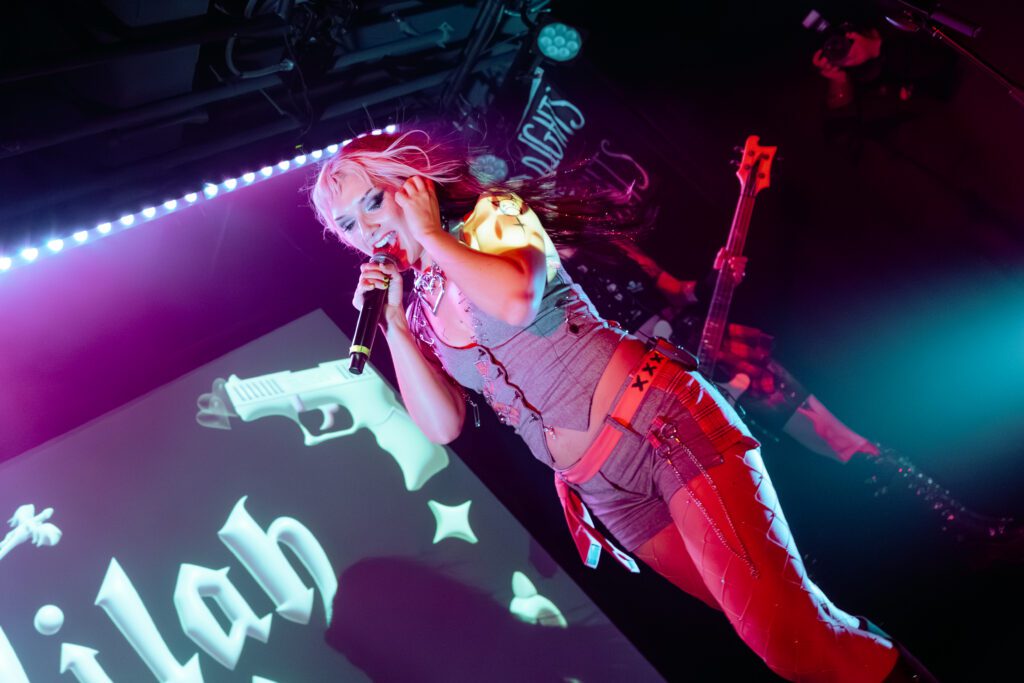
Amidst the current news headlines regarding Macklemore being dropped from Ed Sheeran’s tour for his comments speaking out against the genocide in Gaza and the subsequent departure of other supporting acts in solidarity, we are seeing what a pivotal time it has become within the music industry to use your platform to give a voice to those who are made to stay silent. This is something that Delilah Bon has been doing for years, and although the strong political undertones may drive away some fans, promoters, or venues, as was feared by Ed Sheeran’s management, Tate has shown that standing for your values ultimately drives community and leads to a stronger fanbase, as evidenced by her completely sold-out Australian tour. Similarly, her Canadian tour sold out of merch at the first stop in Montreal, demonstrating immense support and appreciation for her music (she has promised free shipping to Canada on merch bought from her online store as consolation for the sold-out merch on the remaining tour dates, although it should be restocked by the Edmonton concert).
What struck me the most during the show was the sentiment of sisterhood. From the opener, the line between audience and performer was blurred as Le Belladone hopped into the crowd to dance and jump around with everyone. When Delilah Bon took to the stage, she held hands and shared the microphone with fans. It was not so much a Delilah Bon concert as it was a room filled with individuals each connected through their feminine rage. Tate told the crowd that she always dreamed of being a positive change in the world, that each birthday she would blow out her candles and wish to make a difference. Well, Lauren Tate can rest assured that those birthday wishes are not going to waste – watching the tear-stained faces and big smiles at her concert, it is clear that beyond all her political activism, the biggest contribution that she has made is creating a safe space in which femininity is not simply monstrous, but rather a beautiful, powerful thing.
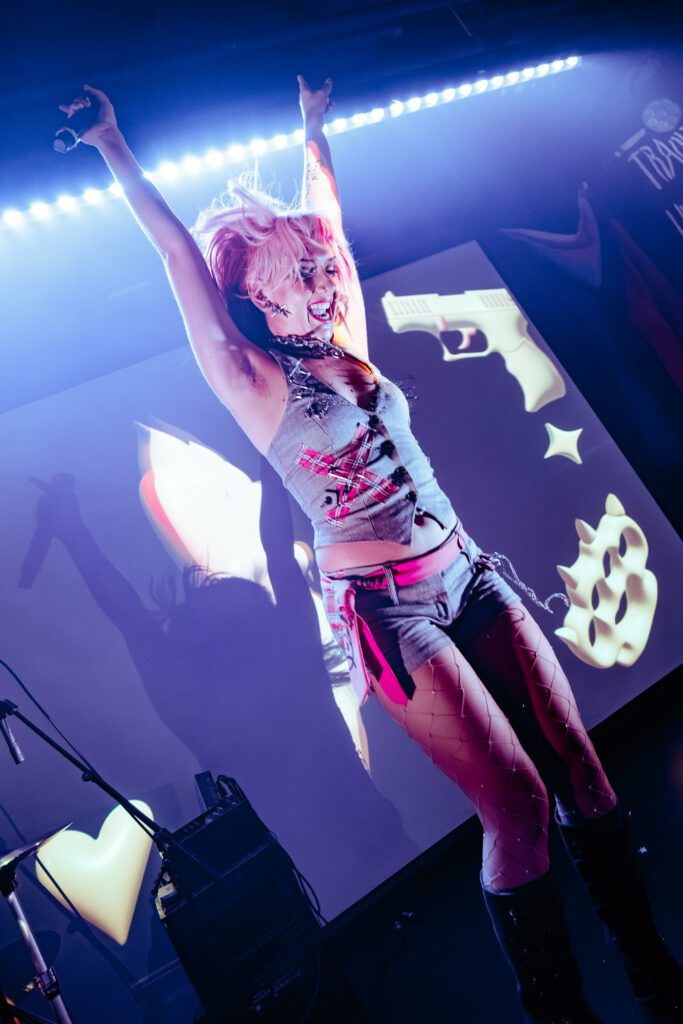
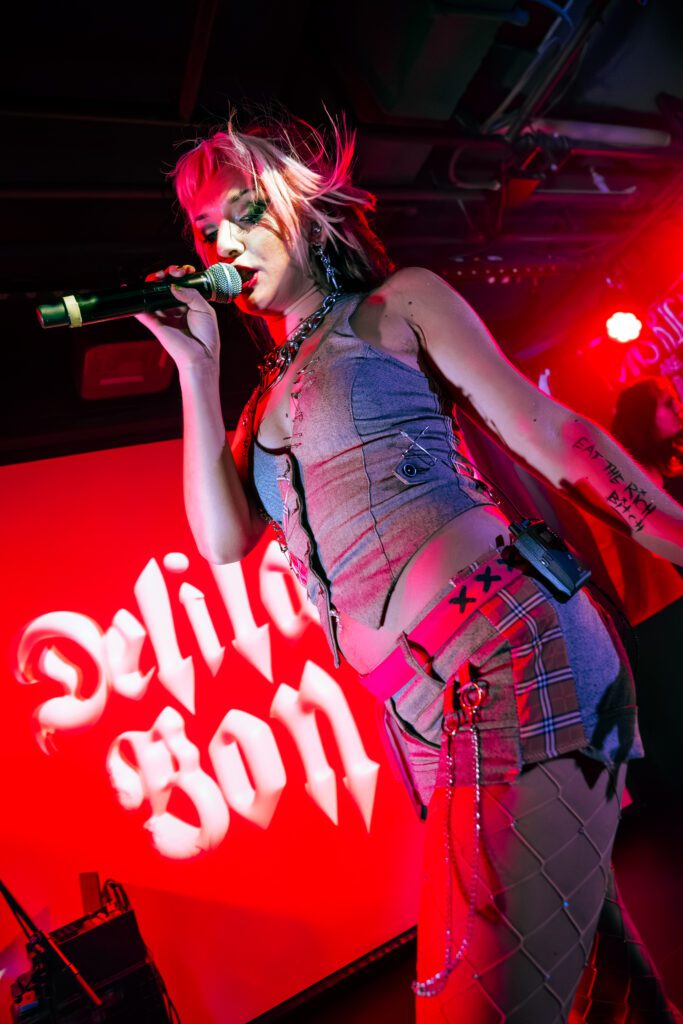
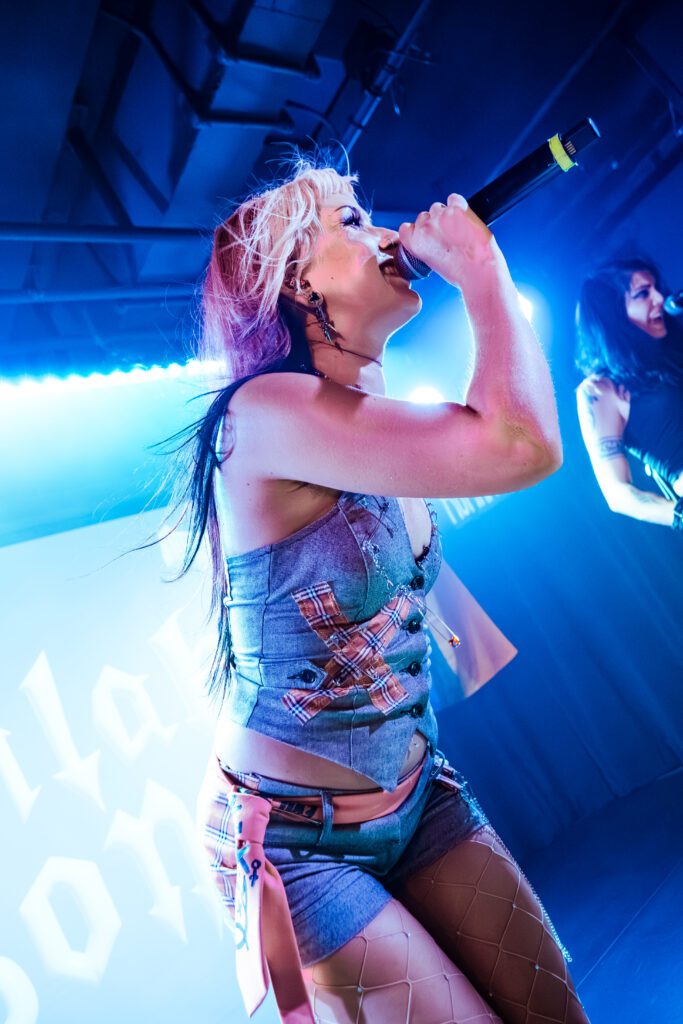
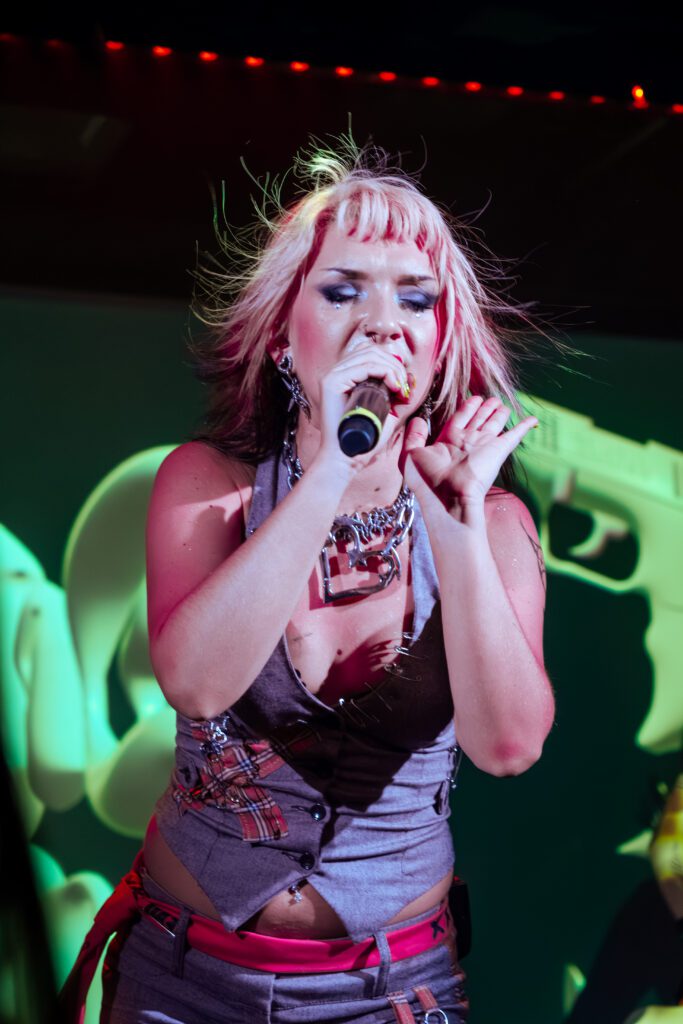
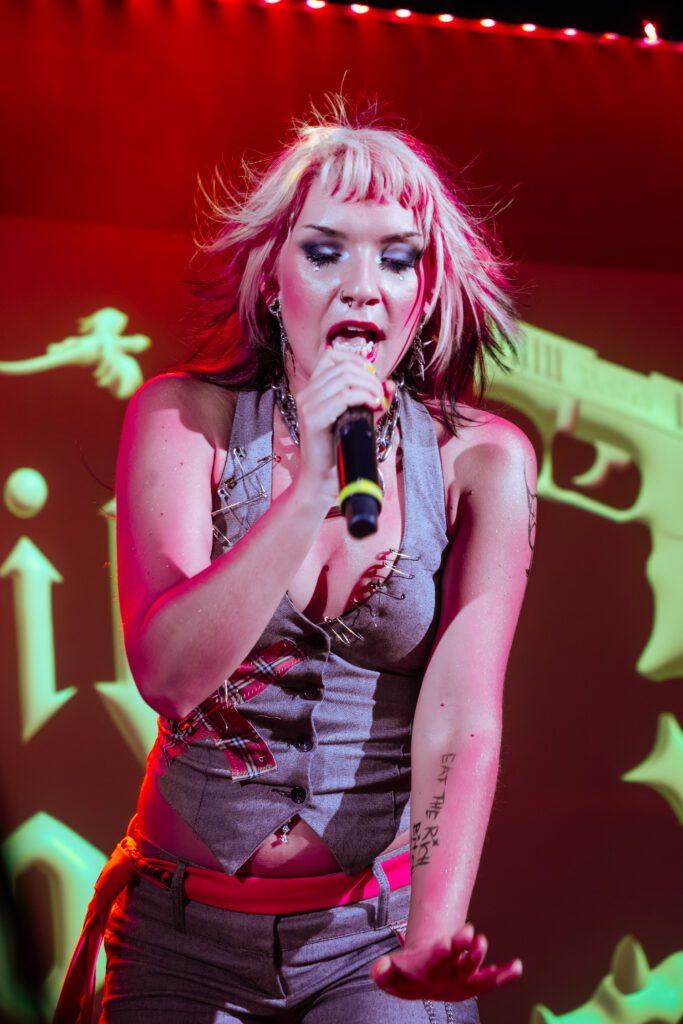
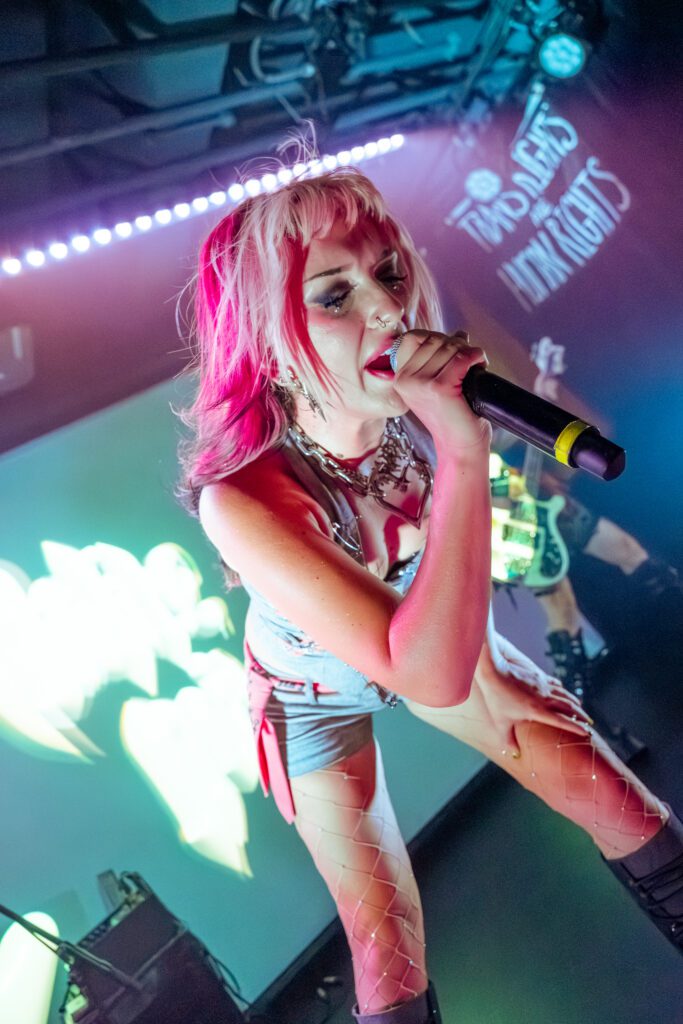
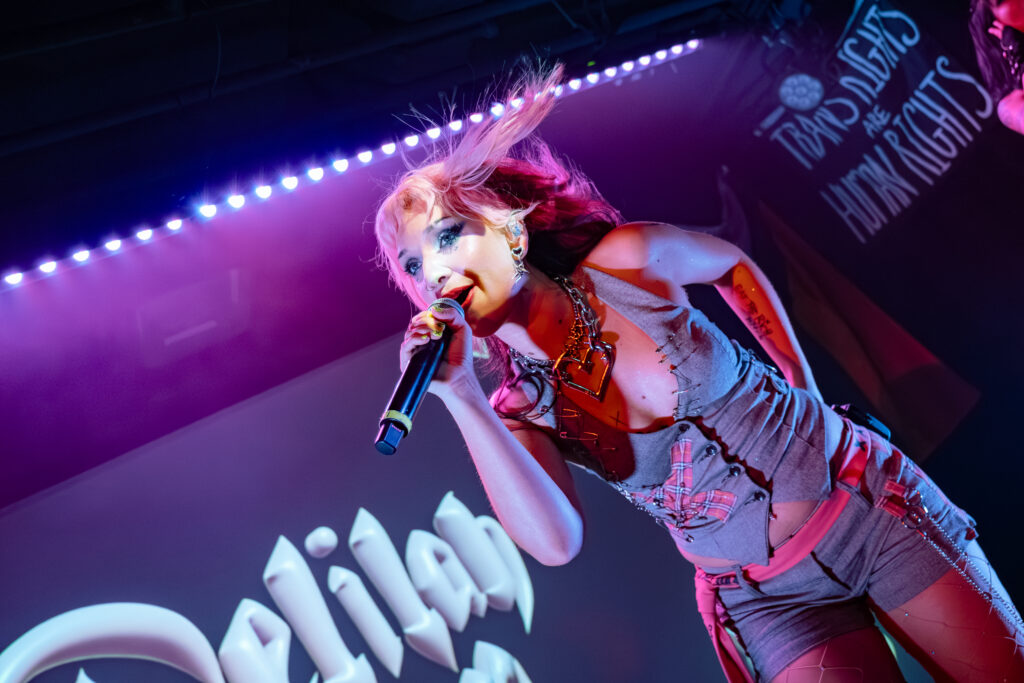
Delilah Bon
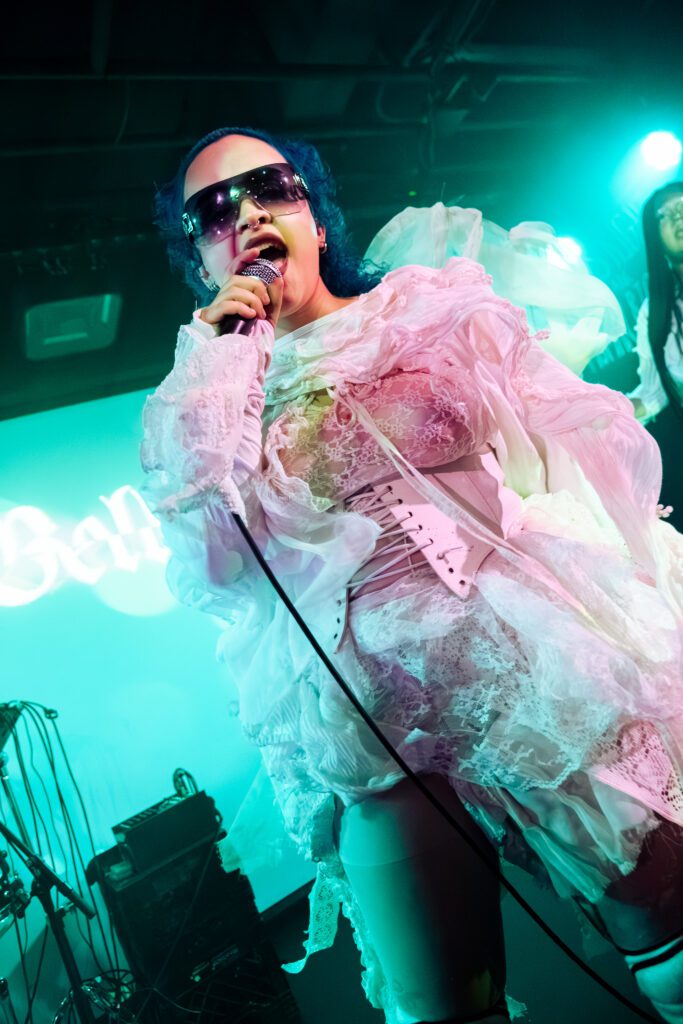
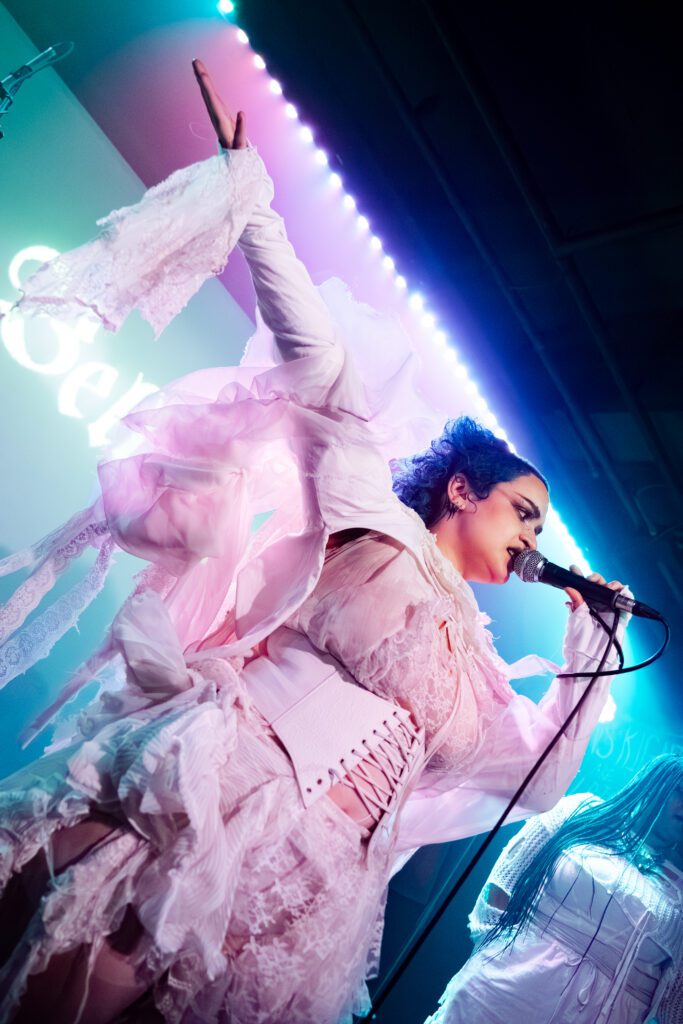
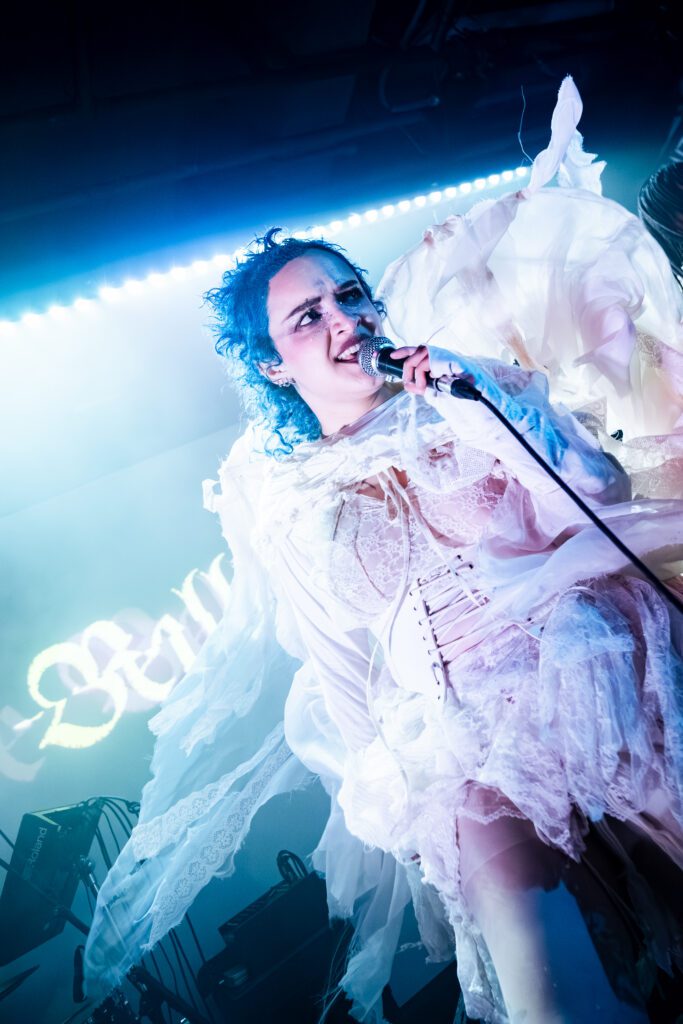
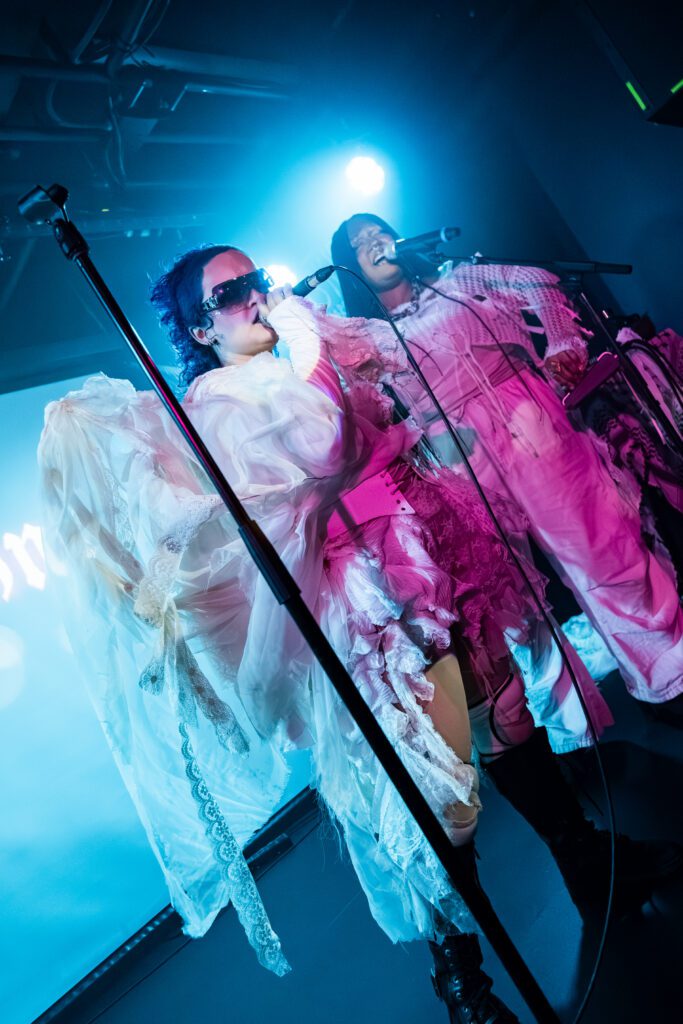
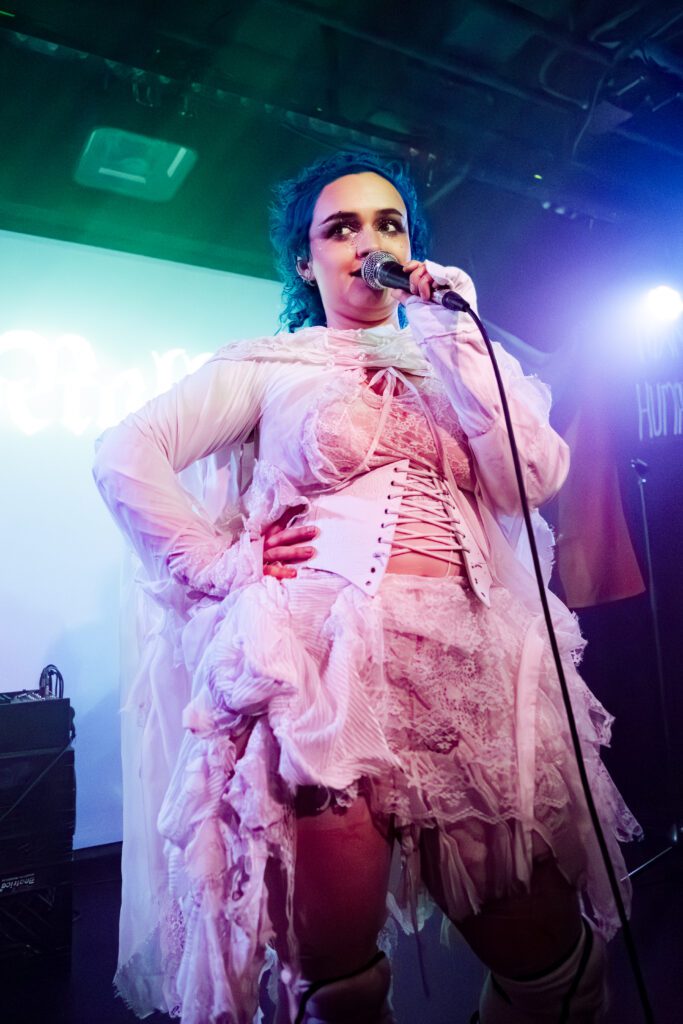
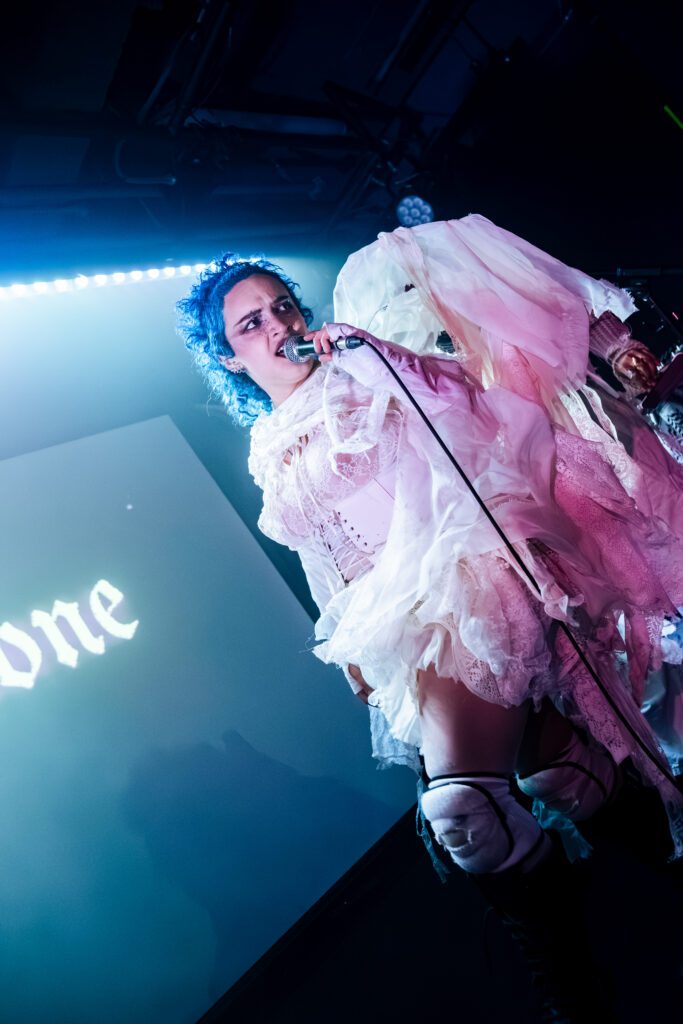
Le Belladone

Edie Olender (she/her) is an Ottawa based photographer and content creator. Growing up in a creative household, she was given her first digital camera at the age of six. By age ten, she started experimenting with film photography and has continued to pursue both digital and film throughout her high school and university career. Inspired by the likes of Joan Didion and Eve Babitz, she also contributes to Indie/Alt through her conceptual reviews. Outside of photography, she is pursuing her degree in Biomedical Sciences at the University of Ottawa and is a proud cat mother to her son Stripey.